3rd From Sol

~ Learn from before. Live now. Look ahead.

3rd From Sol

Category Archives: Information Technology

15 Days in January – Day 11

24 Tuesday Jan 2012

Posted by Paul Kiser in Communication, Education, Fiction, Government, History, Information Technology, Science, Space, Technology, US History

≈ Leave a comment

Tags

Challenger, Halley's Comet, Kennedy Space Center, KSC, NASA, Satellite, Space Shuttle, SPARTAN 203, STS-51L, TDRS, Teacher in Space

(NOTE: The following is a fictionalized account of the 15 days in January 1986 leading up to the Challenger Space Shuttle disaster on the 28th of that month; however, the details of weather and NASA events are based on known historical data.)

Titusville, Florida
Friday, January 24, 1986
High Temp: 66° F Low Temp: 55° F

TDRS satellite to be launched by Challenger STS-51L

This afternoon’s launch had to be scrubbed. The weather here was cool and damp, but the real problem was the weather at one of the abort landing sites. We have an alternate abort site but they cannot handle a nighttime landing (an abort on this side of the world would be a night landing there,) so the launch was rescheduled for tomorrow morning in case we have to activate the alternate abort site. That would allow Challenger to land in daylight at the alternate site if they have to abort.

The launch was then pushed back another day because of the morning versus afternoon liftoff. The problem is that we have a set amount of work to do and it was quickly determined that we would not be ready for launch by Saturday morning. Mission Control then moved the launch to Sunday morning. 

SPARTAN 203 satellite to have its eye on Halley's Comet

Once we finally do get Challenger in orbit, the STS-51L mission has several goals. One will be to launch the TDRS-2 satellite, which is a communications relay station for analog and digital signals. These satellites are the next generation in communication technology allowing information to be transmitted around the world in seconds. Another small satellite called SPARTAN 203 is being deployed to observe Halley’s Comet, which will reach its perihelion (closest approach to the Sun) on February 9, 1986.

In addition, this mission will send our first “Teacher in Space.” More about that tomorrow. 

New Religion For Business: Believing in the ‘L’ Word

23 Wednesday Nov 2011

Posted by Paul Kiser in Business, Customer Relations, Customer Service, Information Technology, Internet, Management Practices, Public Relations, Social Interactive Media (SIM), Social Media Relations, Technology

≈ Leave a comment

Tags

DataSift, Facebook, filtering, listening, Nick Halstead, Rob Bailey, Twitter

Paul Kiser

For a hundred years the Church of the Big Sell has preached to enterprise decision-makers that they will give a voice to their company…for a price. Media chieftains told the world of business that the customer is a commodity that can be manipulated and controlled with the right ad campaign, the right slogan, the right spokesperson, or the right look. Then came Social Media.

Social Media has put a lot of business traditionalists in a tailspin. It turns out that the customer is not a commodity and they hate it when they are treated like one (e.g.; Netflix, United Airlines, Bank of America, etc.) Customers  are people and they have feelings, wants, likes, and dislikes.

Facebook and Twitter gave the people fire and they liked it. Now the customer has a voice and they use it. They talk. They converse. They express. They judge. Not only do they have a voice, they now have the power to turn off advertising…and they do.

The Church of the Big Sell is burning and the voice they were supposed to give to business is wasted on ads in newspapers and magazines that nobody reads, radio and television commercials that nobody listens to or watches, and yellow pages books that go from the front doorstep to the recycling bin…unused. Social Media took away the microphone of enterprise because people are tired of being preached to by the Church of the Big Sell.

Business is realizing that customer interaction has changed. Enterprise in a Social Media world is not about talking, but about listening. Listening is the alpha and omega of the Social Media world. Almost everything a business needs to know is there, if they listen. A new church is being built on the ashes of the old and the religion is based on the ‘L’ word.

Listening is not as easy as it sounds (pun intended.) Social Media is noisy. Too many voices, too many issues. A restaurant owner does not need to know that Emily had a great date last night…unless Emily’s date was at his restaurant. Then he might want to know that Emily’s date was great despite her eating experience, where the food was cold, the parking a pain, and the service rude. The restaurant owner might also want to know that nine of Emily’s friends responded to her Tweet by agreeing that his restaurant sucks and they will never eat there again.

Rob Bailey - Head of US Operations and new CEO of DataSift

Tools of Listening in the New Church of Social Meda
Paring down the noise of Social Media is a major challenge for a business and the new religion has new tools. “The amount of Social Media that people are producing is doubling every year…,” explained Rob Bailey, who is the head of United States Operations for DataSift, a Social Media filtering platform for business that was launched last week. Bailey said that there are three steps in refining raw Social Media into relevant information for any enterprise.

The first step is to refine the data down to what is being posted about an organization, subject, or topic. That refinement may require multiple filters to distill out undesired spam, retweets, and other noise. The second step is to analyze the results based on factors such as age, gender, geographic location, and sentiment. The final step is to have a visual tool that reports the results simply and accurately for interpretation by the decision-maker in the company.

Nick Halstead - Past CEO and now Chief Technology Officer

DataSift had 8,000 users in the alpha test of its Social Media monitoring platform and found that the interest in this technology spanned a wide variety of industries. CEO Nick Halstead said that they had, “… government agencies to pharmaceuticals, a lot in finance, a lot in retail…and quite a few start-ups…” interested in DataSift’s technology to monitor issues of concern to their business and organizational operations. Another industry that wants to be able the monitor the Social Media are News Outlets that are trying to compete with Twitter and Facebook in providing events in real-time. Bailey said, “Twitter is an incredible vehicle…” for finding out what is going on in the world.

Public Relations and Social Media firms are also using tools to filter out the Social Media noise for companies who would rather hire an outside service for their Social Media presence rather than doing it in-house. In addition to listening to the Social Media these agencies help a business identify and correct their public image by handling public image issues and concerns for the organization.

View of data stream screen

The tools of the new platform allow the user to search multiple Social Media formats and have access to the full Twitter worldwide database in real-time. Beyond listening to what is being said about a company’s public image, they can now test market products or services and use Social Media to determine the reaction. The platform also has an interesting application in politics by allowing campaigns to determine sentiments on key issues by geographic region before a candidate campaigns in that area.

Improved customer response is probably the most obvious benefit to listening to Social Media, as a business can now pick up any post written about their company, product, or service and appropriately respond in minutes with a thank you for positive comments and a resolution or apology for negative experiences.

There is no turning back. Social Media demands that enterprise be great listeners and now they have no excuse.

USA PDT [Twitter: ] [Facebook] [LinkedIn] [Skype: 775.624.5679]

SWA Flight 768: The Golden Flight

24 Monday Oct 2011

Posted by Paul Kiser in Business, Communication, Customer Relations, Customer Service, Information Technology, Internet, Public Relations, Travel

≈ 2 Comments

Tags

business travel, Southwest, Southwest Airlines, SWA, WiFi

USA PDT [Twitter: ] [Facebook] [LinkedIn] [Skype: 775.624.5679]

Paul Kiser

Tonight I am flying from St. Louis to Las Vegas on Southwest Airlines Flight #768. It’s been a long day and before I boarded this flight I was dreading flying all evening and getting back home near midnight; however, I’m actually in a GREAT mood.

It’s not because I’m knocking back a Bloody Mary, although that is helping my mood, and it’s not because the plane is only half full, which is certainly a positive, and it’s not because I’m sharing my row with Alicia, an intelligent, attractive USC student, which is a major positive…nope, the reason I’m elated right now is primarily due to the fact that I’m online and writing this blog while flying at 40,000 feet. That’s right, I’m WiFi in the night sky! I’m knee-deep in the Internet and my only care is will this flight last long enough for me to get this written and posted.

Here's to a sky full of SWA WiFi planes....soon

Some may not share my enthusiasm, but allow me to explain why this is so significant.

American business is Internet dependent. Our entire economy is driven by the ability of business people to connect on-line. The need to problem solve, discuss, plan, propose, and close the deal, in real-time is absolutely critical for commerce in our Brave New World of digital communications.

The problem is that communications stops                  …when we fly. And yet, that is the perfect time for the business traveler to reconnect. Those countless hours in an aluminum cylinder traveling at 525 miles per hour where we must sit alone and unconnected are killing productivity. Southwest Airlines will command the business traveler market if they have consistent, reliable WiFi.

I know they are working on it, and perhaps they have turned a corner. If so, this toast is to the people who are making that happen. There is nothing more valuable to the business traveler than time, and WiFi while traveling is gold to the rank and file business person.

Think about this. You might be reading this before I am back on the ground.  What if all your competitors were that productive? Would you be worried?

Southwest Air WiFi: Real or Myth?

14 Wednesday Sep 2011

Posted by Paul Kiser in 2020 Enterprise Technologies, Branding, Business, Club Leadership, Communication, Customer Relations, Customer Service, History, Honor, Independent Studies, Information Technology, Internet, Management Practices, Privacy, Public Relations, Travel

≈ Leave a comment

Tags

Business, Dave Ridley, Gary Kelly, Howard Lefkowitz, Internet, Row 44, Southwest Airlines, SWA, Travel, WiFi

USA PDT [Twitter: ] [Facebook] [LinkedIn] [Skype: 775.624.5679]

Paul Kiser

Southwest Airlines (SWA) has been talking about in-flight WiFi service for over four years, but today most Southwest passengers will find that going online is still something that happens on the ground, not in the air. Even if a Southwest plane has the ‘WiFi hump’ and is labeled as a WiFi HotSpot, it doesn’t mean the service will be turned on during the flight.

Southwest’s goal of in-flight Internet service has had its challenges in getting airborne. A brief history of their communications on the topic:

53 months agoª – In an interview about restructuring fuel contracts, SWA CEO Gary Kelly mentions that his airline is considering adding WiFi service. Kelly is quoted as saying,

“We are very seriously exploring that. We’d be acutely interested in the cost of doing that. It would be a very exciting development if we could make that work.”¹

A Southwest Plane with the WiFi 'hump' satellite antenna located on the top of the plane in front of the tail

44 months ago – Southwest announces it will be testing passenger WiFi service on four planes in the summer using Row 44 as it’s Internet service provider.²

25 months ago – Southwest announces that testing is completed and that they will start equipping planes with WiFi in the Spring of 2010.³

20 months ago – Senior Vice President of Marketing and Revenue Management Dave Ridley states in SWA’s blog, Nuts About Southwest, admits, “… the road to onboard wi-fi has been a long one…,”¹¹ but said that starting the 2nd quarter of 2010, SWA will start installing WiFi on 15 planes a month and increasing it to 25 planes a month. He added:

“…we estimate that our full fleet of more than 540 planes will be outfitted with wi-fi service by early 2012.”

11 months ago – SVP Ridley announces in the Nuts About Southwest blog that only 32 planes have WiFi installed and he adds:

“…we are adding to that number weekly.”¹²

2 months ago – In a call to investors CEO Kelly reveals a timetable revision for in-flight WiFi:

“…Kelly said he feels “very comfortable” with the “2013 timeframe” for fleetwide Wi-Fi installation…”¹³

Last week, after two separate incidents of the WiFi service being turned off on WiFi designated Southwest planes, uniformed Southwest employees had different explanations of the status of the company’s on board Internet service. One claimed that the system ‘worked yesterday’ and another said confidentially that their were problems with the Internet service provider and that the Southwest was no longer using them.

Howard Lefkowitz, Chief Commercial Officer

Not so, says Chief Commercial Officer Howard Lefkowitz of Row 44. Lefkowitz, the former CEO of Vegas.com who joined Row 44 about a year ago, said in a telephone interview that Row 44 is still Southwest’s Internet and entertainment provider and that they are continuing to equip the planes. He said that “…over 100…” planes now have WiFi Internet service and thousands of people are using it everyday. Lefkowitz said he would check into why two of the WiFi equipped flights were not in service last week.

Southwest Airlines was contacted by phone and email, but did not respond to requests for information.

This article first published as
Southwest Air WiFi: Real or Myth?
on Technorati.com

NOTES AND REFERENCES

ªGary Kelly’s original remarks were recorded in the Dallas Morning News; however, that link is broken. The link appears in an April 19, 2007, blog in WNN WiFi Net News. The remarks are from another blog referenced below on the same date.

¹Author Unknown. The Wireless Weblog (2007.) Southwest Airlines Wants WiFi. Retrieved September 13, 2011 from http://www.wireless-weblog.com/50226711/southwest_airlines_wants_wifi.php.

²W. Safer. Switched.  (2008.) Southwest Airlines Adding In-Flight WiFi Internet Access This Summer.  Retrieved September 13, 2011 from http://www.switched.com/2008/01/24/southwest-airlines-adds-in-flight-wireless-internet-access-this/

³B. Parr.  Mashable. (2009.) Southwest Airline: Wi-Fi On Every Flight by Early 2010. Retrieved September 13, 2011 from http://mashable.com/2009/08/23/southwest-wifi/. ¹¹D. Ridley. Nuts About Southwest. (2010.) It Is Official–Wi-Fi Is On The Way! Retrieved September 13, 2011 from http://www.blogsouthwest.com/blog/it-is-official-wi-fi-is-on-the-way

¹²D. Ridley. Nuts About Southwest. (2010.) Southwest Airlines Media Day 2010: WiFi Details (Including Price) Revealed. Retrieved September 13, 2011 from http://www.blogsouthwest.com/blog/southwest-airlines-media-day-2010-wifi-details-including-price-revealed.

¹³Dennis Schaal. tnooz. (2010.) Southwest Airlines: Fleetwide Wi-Fi Won’t Come Until 2013. Retrieved September 13, 2011 from http://www.tnooz.com/2010/07/29/mobile/southwest-airlines-fleetwide-wi-fi-wont-come-until-2013/.

Social Media ‘Evolution’ At Nation’s Investment Firms

26 Thursday May 2011

Posted by Paul Kiser in Branding, Business, Communication, Customer Relations, Ethics, Government Regulation, Information Technology, Internet, Management Practices, Public Relations, Social Interactive Media (SIM), Social Media Relations

≈ Leave a comment

Tags

Blogging, compliance, FINRA, investment firms, New Business World, New York Life, Public Image, Regulatory Notice 10-06, Rule 10-06, SEC

USA PDT [Twitter: ] [Facebook] [LinkedIn] [Skype: 775.624.5679]

Paul Kiser

Can your investment advisor write a blog about his or her job? Can they Tweet that they just read a great article on oil futures and add a hyperlink? Can they post that they had a big day in the market? Prior to January 2010, the answer was no…not unless they wanted to risk her or his job.

Securities Exchange Commission (SEC) and Financial Industry Regulatory Authority (FINRA) rules didn’t specifically prohibit business-related Social Media participation, but SEC regulations on advertising and communications have been presumed to extend to online engagement and in a vacuum of good guidance, most major firms took the position of forbidding their representatives from participating in Social Media formats. This removed the fundamental aspect of Social Media that benefits commerce on the Internet, the one-on-one connection.

In January 2010, FINRA issued Regulatory Notice 10-06, which gave investment firms parameters for allowing their representatives to use Social Media within the bounds of SEC and FINRA regulations. The reaction was not instantaneous because firms had to solve the issue of how to supervise agent’s online communication. Protocols had to be established, software had to be adapted and installed, and training of agents had to be implemented; however, there has been a rapid Social Media ‘evolution’ in investment advising during the past 12 months.

For some firms, a deliberate, but ‘conservative approach’ to implementing Social Media engagement is being employed. One industry representative said, “…we had to help agents know what they can talk about and what they can’t talk about.” But she added, “…I’d rather be doing this now than wait three years and try to figure it out…Social Media exists and it’s not going away.”

For New York Life the direction was made very clear according to Ken Hittel, Vice President, Corporate Internet, who said, ” Our CEO, (Ted Mathas) made it very clear that agent participation (in Social Media) is a requirement.” New York Life uses a software program to meet SEC and FINRA regulations of supervising agent’s Internet interactions. Hittel said that the implementation of the program, “…went smoothly and was completed in a couple of months.”

The SEC regulations on advertising and adviser/investor communications are not new and apply to all methods of interactions, including those performed via the Internet. A FINRA podcast outlines five issues that apply to all forms of investment communications. All statements made by an agent must:

  • not be exaggerated or misleading and all material facts must be disclosed
  • clearly identified the firm and agent
  • not include or imply any forward-looking statements
  • provide the customer/investor a sound basis to evaluate the services or market
  • file any statements regarding mutual funds, variable products, and/or exchange traded funds within 10 days of being published

Each investment firm is expected to train their agents on how to comply with SEC and FINRA requirements. Hittel said that the New York Life agent training program is “..not just compliance.” He pointed out that Social Media creates 12,000 “Brand Ambassadors” for the company and they based their Social Media training on a “best practices” approach. Hittel said that there is a saying at New York Life, “…that you can do anything, not everything,” which is reflected in New York Life’s approach to Social Media engagement. The firm has established a progressive program for Social Media participation by their agents…within the scope of SEC and FINRA regulations.

Does FINRA Prohibit Social Media Activity for Investment/Financial Firms?

19 Thursday May 2011

Posted by Paul Kiser in Branding, Business, Communication, Customer Relations, Customer Service, Ethics, Information Technology, Internet, Management Practices, Public Relations, Social Interactive Media (SIM), Social Media Relations

≈ Leave a comment

Tags

Blogs, Financial industry, FINRA, investing, Investment agencies, Regulations, Rule 10-06, SEC

USA PDT [Twitter: ] [Facebook] [LinkedIn] [Skype: 775.624.5679]

Paul Kiser

Last year I managed to offend some investment and financial professionals when I said that their industry would have to engage in Social Media, including blogs, if they were going to stay competitive. They told me that their firms and industry regulations prohibited them from using Social Media tools in their business practices. They also said that some firms that prohibited personal involvement in Social Media. The reaction during and after the meeting was one of a strong denial of the usefulness of Social Media in their industry mixed with a ‘kill-the-messenger’ attitude. It was a typical response by business people who have been blindsided by Social Media.

…Professionals that rely on personal contact and personal relationships are finding that effective use of Social Media is key to maintaining and growing their business.

It is hard to start a dialogue with business professionals on how to use Internet tools such as blogging, Facebook and Twitter when the attitude is that Social Media are an encompassing evil that must be avoided, or at the very least, ignored. The problem, and opportunity, is that business professionals who can use Social Media to engage with others will have an advantage over those who are mystified, or more typically, scared by the power of Social Media. Professionals that rely on personal contact and personal relationships are finding that effective use of Social Media is key to maintaining and growing their business.

The fact is that since that meeting many investment related firms have changed their positions by at least 90° and some have done a 180° shift in their attitude about Social Media in business. That is not surprising considering that their future is at stake; however, investment firms do have strict guidelines on advertising and investment advisement, so using Social Media is not the ‘anything goes’ environment for which most of us are accustomed.

Both the Securities Exchange Commission (SEC) and Financial Industry Regulatory Authority (FINRA)[1] are charged with protecting investors by establishing rules to govern investment-related activities. Among those rules are requirements for firms on educating, monitoring, supervising, and document the activities of brokers representing their company. In January 2010, FINRA issued Regulatory Notice 10-06 titled Social Media Web Sites – Guidance on Blogs and Social Networking Web Sites. This notice did not prohibit firms from engaging in Social Media activity, but rather offered common-sense guidelines for investment firms on how Social Media tools could be used to meet FINRA and SEC requirements.

(End of Part I)

(Note: Part II will be posted by 5 PM PDT, Monday, May 23rd)

[1] FINRA is the largest independent regulator for all securities firms doing business in the United States. FINRA’s mission is to protect America’s investors by making sure the securities industry operates fairly and honestly. All told, FINRA oversees nearly 4,550 brokerage firms, about 163,500 branch offices and approximately 631,110 registered securities representatives. (From About FINRA at www.finra.org.)

(This article is advisory in nature and the author does not represent the Financial Industry Regulatory Authority (FINRA,) the Security and Exchange Commission (SEC), nor any federal or state regulatory authority. The opinion expressed should not be considered as a legal or official position regarding the use of Social Media tools in industry practices.  The author has sought out publicly available relevant documents and information as the basis for the opinions expressed; however, final authority on the issues discussed in this article rests with the appropriate government, regulatory, and/or company division that oversees the area of concern.)

FAA + Airlines + Personal Electronic Devices = Public Mistrust

03 Tuesday May 2011

Posted by Paul Kiser in Communication, Customer Relations, Ethics, Government Regulation, Information Technology, Management Practices, Public Relations, Travel

≈ Leave a comment

Tags

airline safety, cell phones, Commercial Airlines, electromagnetic interference, FAA, FCC, Federal Aviation Administration, GPS, iPod, PED, PED's, Personal Electronic Devices, WiFi

by Paul Kiser
USA PDT [Twitter: ] [Facebook] [LinkedIn] [Skype: 775.624.5679]

Paul Kiser

Recently, a 73 year-old man flying from Minneapolis, Minnesota to Winnipeg, Canada was ordered by the flight crew of an unnamed airline to stop using his Global Positioning Satellite (GPS) device during the flight. The GPS device tracks the user’s current position by receiving (not transmitting) a signal from orbiting satellites. Currently over half the world’s airlines allow it to be used during a flight, but not this airline. The man was arrested and fined for not obeying the flight crew instructions to turn it off and also refusing to buckle his seat belt. Not surprisingly his last name was, Ego…I’m not making this up…his name was Michele Ego (See article in Winnipeg Free Press.)

…the incident was based on the Flight Attendant enforcing an 18 year-old policy of restricting the use of  personal electronic devices (PED’s) that has little or no real experimental data to justify it…

Are these really a threat to airline safety?

Clearly Mr. Ego was in the wrong by refusing to obey the instructions of the flight crew; however, the incident was caused by a flight crew enforcing an 18 year-old policy of restricting the use of personal electronic devices (PED’s) that has little or no experimental data to justify it. The zeal of some flight attendants in following this baseless policy creates a source of conflict and mistrust between the flying public and the flight crew, all of which could be avoided, if not for the Federal Aviation Administration (FAA) and the airlines.

…the policy uses decades old research that could only pose a theoretical threat by PED’s, without any experimental proof…

The lack of evidence for the restrictions on PED’s (such as MP3-4 players, GPS, cell phones, etc.) is well-known, and yet, airlines stick to a policy of restricting them, especially during takeoffs and landings because of the FAA’s order issued in 1993, that each airline must prove a PED will not interfere with the plane’s avionics before passengers are allowed to use them during a flight. The reasoning for the policy uses decades old research that concluded that PED’s pose a theoretical threat.

During a Congressional Hearing on the issue in July of 2000, over a year before the first generation of Apple’s iPod was sold, the issue of PED’s impact on a plane’s avionics was discussed. During the hearing a National Aeronautics and Space Administration (NASA) database of anonymously submitted in flight incidents was presented. Of 69,000 reports, 52 flight crews blamed passenger PED’s for the plane’s avionics problems. In most of the cases from 1992 to 1998, incidents on planes as small as a Cessna and large as a Boeing 757, related problems in navigational readings that seemed to be corrected when passengers were asked to turn off the devices.

…In each case the problem could not be duplicated under controlled test conditions…

In several of those cases, the alleged offending PED was purchased from the passenger and attempts were made to reproduce the problem. In each case the problem could not be duplicated under controlled test conditions. These results were fortified by two commissioned studies of PED’s, including cell phones, in 1983-8, (a study for the airlines,) and 1992-6, (a study for Congress.) Both studies offered no real evidence of avionics interference caused by PED’s.

(See Blog article: Why Your iPad Won’t Kill You)

Regardless of the lack of evidence, neither study could prove that PED’s were absolutely incapable of interference, and in a British study on cell phone transmissions, it was determined that the threat from PED’s was from pre-1984 devices that could theoretically cause interference with a plane’s avionics. Despite a lack of real evidence of a threat, the FAA issued its 1993 ruling that said that airlines should restrict the use of all PED’s below 10,000 feet (for takeoffs and landings) and only allow use of PED’s above 10,000 feet if they could prove it didn’t interfere with the plane’s avionics.

The fact is that today’s commercial airliner has been designed with shielding on all electronic systems to protect it against all types of electromagnetic radiation, including a strike from a lightening bolt, which seems far more likely to happen than an incident of electromagnetic interference caused by a PED like an iPod, GPS device, or cell phone*.

(*Interestingly, it was not the FAA, but the Federal Communications Commission (FCC) who issued a rule in 1991, that cell phones could not be used by any aircraft –including private planes and lighter-than-air balloons– because of the fear that phones in a line of sight of multiple cell phone towers could cause problems with ground-based cell phone traffic.)

With the airlines blessing, both the FAA and FCC have created an environment that forces flight attendants to be the voice of ‘Chicken Little’, by enforcing flight rules governing PED’s that make no sense in 2011. The ineptness of the FAA and the airlines in their handling of the issue of PED’s undermines the relationship of trust that passengers must have in the flight crew if they are to be believed and obeyed during critical situations involving a real threat to passenger safety.

The question that remains is whether or not the mythological threat of PED’s to aircraft safety is greater than the loss of trust of the flying public.

Facebook and Twitter Doomed?…Chicken Crap

06 Monday Dec 2010

Posted by Paul Kiser in Business, Communication, Ethics, Information Technology, Internet, Public Relations, Rotary, Social Interactive Media (SIM), Social Media Relations, Traditional Media

≈ Leave a comment

Tags

Doomed, Facebook, Privacy, Social Media, Twitter

by Paul Kiser
USA PDT  [Twitter: ] [Facebook] [LinkedIn] [Skype:kiserrotary or 775.624.5679]

Paul Kiser

Blogging is about open discussion and the expression of opinion, so I hesitate to contradict someone’s blog; however, when someone titles their blog referencing ‘doomed’ with any aspect of Social Media it gets my attention. I am trying to help older professional adults understand Social Media and what it means to business and organizations like Rotary. Rotarians are sometimes hesitant to engage in Social Media tools like Facebook and Twitter because of irrational fears and a lack of good information.

Last week a blog was published by Gini Dietrich, who has the credentials to be knowledgeable in the field of Social Media and I do not call her experience or professionalism in to question; however her article called, “Creative Destruction: Why Facebook and Twitter May Be Doomed” requires a strong response.

Announcing the possible ‘doom’ two of the most significant tools in the digital world is clever because traditional media professionals and Social Media-phobs drool over anything that smacks of the end of the Internet and its place in civilized society. If I want to get a 10,000 hits on my blog this week, (and ongoing hits from Google searches,) including the words ‘doomed’, ‘Facebook’, ‘Internet’, and ‘Social Media’ would be one of the best tactics I could use. The problem is that the aside from pandering to those who remain firmly entrenched in 1989 thinking, Ms. Dietrich has little substance to support her dire prediction.

(Original blog by Gini Dietrich)

The blog focuses primarily on Facebook and the ongoing whining by non-Facebook users about privacy issues. Ms. Dietrich’s argument is essentially that the masses are ready to revolt and leave Facebook to ‘better’ networks that will be more restrictive to protect the user’s privacy. She goes on to suggest that Facebook and Twitter will be replaced just as they replaced earlier Social Media networking tools.

While every enterprise faces the same potential for creating its own demise, I strongly disagree that Facebook or Twitter may be ‘doomed’. Yes, users are a fickle group, but Friendster and MySpace were first-efforts in creating a comprehensive, open-networking Social Media tool and they had shortcomings that made them annoying (MySpace still does). It is true that Facebook and Twitter’s growth have been driven partly by capitalizing on the weaknesses of their predecessors; however, the major success of both was by bringing new people into the Social Media world with greater connectivity to quality users.

Dark clouds over Facebook?

Facebook attracted a larger segment of the population, including older users that suddenly became addicted to the connections that it provided. Today, even those who dislike Facebook have had a hard time detaching themselves from it because 540 million Social Media users cannot be ignored without sacrificing something significant. The problem is that another networking service may solve certain dissatisfiers of Facebook, but until everyone you know, or want to know moves to that service, you have to try to live in two or more networking worlds, and that is a pain. So a person has to weigh whether they are frustrated enough to add one more networking group to their attention span or live with Facebook.

Ms. Dietrich ignored the other possibility.  That instead of leaving, people may realize and accept that online privacy is a myth. I am constantly amazed by people who believe that they can be anonymous on the Internet. They think that a nondescript user name means that their identity is protected or that a comment they make will disappear the next day. I don’t disagree that there are some legitimate privacy issues and the FCC is proposing new regulations to address many of these issues, but a significant part of the problem is not a problem of Facebook’s creation, but of the gullibility of the user who thinks that they are ‘in disguise’ when they are on the web.

Regarding Twitter, Ms. Dietrich gave little reason for her ominous prediction. Yes, this year Twitter was having many problems with service failures and even I have said this is a problem that must be fixed, but in the 4th quarter I have experienced nothing but reliable service from Twitter.

Personally, I think I think most people have undervalued Twitter. It is perceived by many non-users as a network of celebrities and pointless dribble of ‘what-I-just-did’. However, the core of Twitter consists of people discussing cutting edge issues. It is the only service that brings together people around the world who are focused on one topic with searchable hashtags. If it can overcome its poor public image and be recognized for what it can do, it could jump from 100 million users to 500 million users in 6 months. It is more likely to be the center of business discussion than any other service out there. LinkedIn (started May 2003) is older than MySpace (started Aug. 2003) and it is has been leapfrogged by Twitter (started July 2006) with over twice as many users (41 million vs Twitter’s 98 million.)

The wanna-be replacements for Facebook and Twitter have one big problem.  Some of the very things that users say they want to protect them also restrict the connections that give Facebook and Twitter advantages in adding new users and making new connections.  If any networking service is doomed it is LinkedIn because it has such a complicated system to add new connections (How do you know this person?) that it renders itself irrelevant.

Yes, Facebook has made some stupid mistakes, but if everyone organization that made stupid mistakes was ‘doomed’ then Wal-Mart, Target, HP, Microsoft, Apple, Exxon, and thousands of others mega organizations are all ‘doomed’.

Will Facebook and Twitter be the giants in 2015?  I doubt it, but I don’t see any other Social Media tool that will challenge them in the next two years and is why my response to the suggestion of ‘doom’ is simply: Chicken Crap.

More Articles

Business: Public Relations, Management, and Social Media Related

  • 5 reasons why you shouldn’t title your blog with number reasons
  • A Question of Ethics
  • HR/Security Hot Topic: Should you watch your employee’s personal Internet activities? (Facebook, MySpace, Twitter, etc.)
  • Relationship Typing: 3 factors that affect the quality and depth of friendship (Part I)
  • Starbucks Re-Imagines the business … again
  • Your Privacy Rights on the Internet: Read before you write
  • Social Media 3Q Update: Who uses Facebook, Twitter,LinkedIn, and MySpace?
  • Richmond Embassy Suites: The best at true Hospitality
  • Dear Business Person: It’s 2010, please update your brain.
  • Selling watered-down beer: The best spin campaign in advertising
  • Communication: Repetition of message does not increase awareness
  • Is it time to fire yourself?
  • Millennium Hotel: Go away, spend your money elsewhere
  • Rogue Flight Attendant shows his arrogance, Airlines dislike for the customer
  • 2Q 2010 Social Media Tools: Facebook/Twitter sail on, LinkedIn/MySpace don’t
  • War Declared on Social Media: Desperate Acts of Traditional Media
  • Pay It Middle: The Balance between Too Much and Too Little Compensation
  • Mega Executive Pay Leads to Poor Performance
  • Relationships and Thin-Slicing: Why the other person knows what you’re really thinking
  • Browser Wars: Internet Explorer losing, Google Chrome gaining ground
  • WiFi on Southwest Airlines: Is it ‘Shovel Ready’?
  • Starbucks makes a smart move: Free WiFi
  • Foul Play: FIFA shows what less regulation offers to business
  • The Shock of the McChrystal Story: The story is over before the article is published
  • Tony Hayward: The very model of a modern Major General
  • Epic Fail: PR ‘Experts’ don’t get Twitter
  • King of Anything: Social Media vs Traditional Media
  • Twitter is the Thunderstorm of World Thought
  • Signs of the Times
  • How Social Interactive Media Could Transform Higher Education
  • How to Become a Zen Master of Social Media
  • Death of All Salesmen!
  • Aristotle’s General Rules on Social Media
  • Social Media:  What is it and Why Should You Care?
  • Social Media 2020:  Keep it Personal
  • Social Media 2020:  Who Shouldn’t Be Teaching Social Media
  • Social Media 2020:  Public Relations 2001 vs Social Media Relations 2010
  • Social Media 2020: Who Moved My Public Relations?
  • Publishing Industry to End 2012
  • Who uses Facebook, Twitter, MySpace & LinkedIn?
  • Fear of Public Relations
  • Dissatisfiers: Why John Quit
  • Facebook, Twitter, LinkedIn…Oh My!
  • Does Anybody Really Understand PR?

Rotary Related

  • Rotary@105: 7 Relationship types that affect membership retention (Part II)
  • What most non-Rotarians don’t know about Rotary
  • Rotary@105: Making Rotary Sexy
  • Rotary@105: Grieving change
  • How Rotary can..must..will plug into Social Media
  • Rotary PR: Disrespecting the Club President is a PR/Membership issue
  • Rotary Membership/Public Image Challenge
  • Rotary New Year: Retread or Renaissance?
  • Rotary@105: A young professionals networking club?
  • One Rotary Center: A home for 1.2 million members
  • Rotary@105:  What BP Could Learn from the 1914 Rotary Code of Ethics
  • Rotary Magazine Dilemma Reveals the Impact of Social Media
  • Rotary@105:  April 24th – Donald M. Carter Day
  • Rotary@105:  What kind of animal is Rotary International?
  • Rotary:  The Man in the Yellow Hat as the Ideal Club President?
  • Rotary@105:  Our 1st Rotary Club Dropout
  • Rotary Public Relations and Membership: Eight Steps to a Team Win
  • Rotary: All Public Relations is Local
  • Best Practices:  Become a Target!

Science Related

  • Negative Time: The Self-fulfilling Prophesy a Scientific Possibility?
  • Physics in 2010: The more we understand, the less we know

Personal Experience Related

  • Knowing when it’s over or beyond over
  • Dear Teresa Laraba, SVP of Southwest Airlines Customer Service
  • Things I didn’t know about being a Father to a four-year-old boy
  • Riding Reno: The Ladies of Reno
  • Up in the air down in Texas
  • I mow my lawn because…
  • Nevada I-580: An Interstate by any other name
  • Nevada’s oldest brewery opens a Reno location
  • Two Barbecues and a Wedding
  • Car Dealership Re-Imagines Customer Service

Our Country and History Related

  • Sandoval/Reid campaign money not a stimulus for Nevada
  • Nevada’s Best Kept Secret: #1 in Crime
  • The Vultures Start Circling on Election Day
  • The Quality of Mercy: Tea Party seeks its pound of flesh
  • I’m not angry, nor am I stupid … and I voted
  • Point of Confusion
  • What I’m not buying this year
  • Nevada: State of Disaster
  • Thank you, Mr. President
  • America’s Hostile Takeover of Mexico

5 reasons why you shouldn’t title your blog with numbered reasons

03 Friday Dec 2010

Posted by Paul Kiser in Communication, Information Technology, Random, Social Interactive Media (SIM)

≈ Leave a comment

Tags

Bloggers, Blogging, Blogs, Internet, Social Media

by Paul Kiser
USA PDT  [Twitter: ] [Facebook] [LinkedIn] [Skype: kiserrotary or 775.624.5679]

Paul Kiser

Article first published as
5 Reasons Why You Shouldn’t Title Your Blog with Numbered Reasons
on Technorati.com

It seems that bloggers are discovering that using a blog title with a number in it attracts attention.  Here are some that showed up in an email alert from SocialMediaToday:

  • 9  Points on Why…
  • 8  Tips to Get More…
  • 14  Situations When You…
  • 16  Tactics for Building…

I guess that readers want to know that there is a limit to what any given author is going to say.  There is good historical precedent for this practice.  The 10 Commandments is one example. People can’t name them, but they seem to find comfort knowing there are only 10. Still, I think there are five good reasons not to number your reasons.

  1. You could be wrong about the numerical count…and you probably ARE wrong. You may think there are 50 ways to leave your lover, but then Lorena Bobbitt comes along and bam! there is 51.
  2. It makes you sound pedantic (pedantic defined: ostentatious in one’s learning, ostentatious definition: look it up.)
  3. It lacks originality. Just because every other blogger is jumping on the numerical bandwagon doesn’t mean they aren’t eventually going to jump off a cliff…I need to work on my metaphor a little.
  4. It’s silly. I can’t look at a Social Media blog that starts out with a number in the title without chuckling.
  5. A number in your blog title doesn’t make your blog more authoritative. Anyone can come up with a number. For this blog I picked five as my magic number and made my reasons fit the number.
  6. You could miscount…and then where would you be?
There you have it; five reasons not to list your reasons. Any questions?

More Articles

Business: Public Relations, Management, and Social Media Related

  • A Question of Ethics
  • HR/Security Hot Topic: Should you watch your employee’s personal Internet activities? (Facebook, MySpace, Twitter, etc.)
  • Relationship Typing: 3 factors that affect the quality and depth of friendship (Part I)
  • Starbucks Re-Imagines the business … again
  • Your Privacy Rights on the Internet: Read before you write
  • Social Media 3Q Update: Who uses Facebook, Twitter,LinkedIn, and MySpace?
  • Richmond Embassy Suites: The best at true Hospitality
  • Dear Business Person: It’s 2010, please update your brain.
  • Selling watered-down beer: The best spin campaign in advertising
  • Communication: Repetition of message does not increase awareness
  • Is it time to fire yourself?
  • Millennium Hotel: Go away, spend your money elsewhere
  • Rogue Flight Attendant shows his arrogance, Airlines dislike for the customer
  • 2Q 2010 Social Media Tools: Facebook/Twitter sail on, LinkedIn/MySpace don’t
  • War Declared on Social Media: Desperate Acts of Traditional Media
  • Pay It Middle: The Balance between Too Much and Too Little Compensation
  • Mega Executive Pay Leads to Poor Performance
  • Relationships and Thin-Slicing: Why the other person knows what you’re really thinking
  • Browser Wars: Internet Explorer losing, Google Chrome gaining ground
  • WiFi on Southwest Airlines: Is it ‘Shovel Ready’?
  • Starbucks makes a smart move: Free WiFi
  • Foul Play: FIFA shows what less regulation offers to business
  • The Shock of the McChrystal Story: The story is over before the article is published
  • Tony Hayward: The very model of a modern Major General
  • Epic Fail: PR ‘Experts’ don’t get Twitter
  • King of Anything: Social Media vs Traditional Media
  • Twitter is the Thunderstorm of World Thought
  • Signs of the Times
  • How Social Interactive Media Could Transform Higher Education
  • How to Become a Zen Master of Social Media
  • Death of All Salesmen!
  • Aristotle’s General Rules on Social Media
  • Social Media:  What is it and Why Should You Care?
  • Social Media 2020:  Keep it Personal
  • Social Media 2020:  Who Shouldn’t Be Teaching Social Media
  • Social Media 2020:  Public Relations 2001 vs Social Media Relations 2010
  • Social Media 2020: Who Moved My Public Relations?
  • Publishing Industry to End 2012
  • Who uses Facebook, Twitter, MySpace & LinkedIn?
  • Fear of Public Relations
  • Dissatisfiers: Why John Quit
  • Facebook, Twitter, LinkedIn…Oh My!
  • Does Anybody Really Understand PR?

Rotary Related

  • Rotary@105: 7 Relationship types that affect membership retention (Part II)
  • What most non-Rotarians don’t know about Rotary
  • Rotary@105: Making Rotary Sexy
  • Rotary@105: Grieving change
  • How Rotary can..must..will plug into Social Media
  • Rotary PR: Disrespecting the Club President is a PR/Membership issue
  • Rotary Membership/Public Image Challenge
  • Rotary New Year: Retread or Renaissance?
  • Rotary@105: A young professionals networking club?
  • One Rotary Center: A home for 1.2 million members
  • Rotary@105:  What BP Could Learn from the 1914 Rotary Code of Ethics
  • Rotary Magazine Dilemma Reveals the Impact of Social Media
  • Rotary@105:  April 24th – Donald M. Carter Day
  • Rotary@105:  What kind of animal is Rotary International?
  • Rotary:  The Man in the Yellow Hat as the Ideal Club President?
  • Rotary@105:  Our 1st Rotary Club Dropout
  • Rotary Public Relations and Membership: Eight Steps to a Team Win
  • Rotary: All Public Relations is Local
  • Best Practices:  Become a Target!

Science Related

  • Negative Time: The Self-fulfilling Prophesy a Scientific Possibility?
  • Physics in 2010: The more we understand, the less we know

Personal Experience Related

  • Knowing when it’s over or beyond over
  • Dear Teresa Laraba, SVP of Southwest Airlines Customer Service
  • Things I didn’t know about being a Father to a four-year-old boy
  • Riding Reno: The Ladies of Reno
  • Up in the air down in Texas
  • I mow my lawn because…
  • Nevada I-580: An Interstate by any other name
  • Nevada’s oldest brewery opens a Reno location
  • Two Barbecues and a Wedding
  • Car Dealership Re-Imagines Customer Service

Our Country and History Related

  • Sandoval/Reid campaign money not a stimulus for Nevada
  • Nevada’s Best Kept Secret: #1 in Crime
  • The Vultures Start Circling on Election Day
  • The Quality of Mercy: Tea Party seeks its pound of flesh
  • I’m not angry, nor am I stupid … and I voted
  • Point of Confusion
  • What I’m not buying this year
  • Nevada: State of Disaster
  • Thank you, Mr. President
  • America’s Hostile Takeover of Mexico

HR/Security Hot Topic: Should you watch your employee’s personal Internet activities? (Facebook, MySpace, Twitter, etc.)

28 Thursday Oct 2010

Posted by Paul Kiser in Branding, Business, Communication, Consulting, Crisis Management, Customer Service, Employee Retention, Ethics, Government Regulation, Honor, Human Resources, Information Technology, Internet, Management Practices, Pride, Privacy, Public Relations, Re-Imagine!, Recreation, Relationships, Respect, Rotary, SEO, Social Interactive Media (SIM), Social Media Relations, Violence in the Workplace, Website

≈ 1 Comment

Tags

background checks, Blogging, Blogs, case law, Employee evaluations, Employee privacy, Employer liability, Employment, Employment Law, employment verification, Executive Management, Facebook, HR, Human Resources, Internet, lawsuit, LinkedIn, Management Practices, monitoring employees, New Business World, performance reviews, Privacy, Privacy on the Internet, Public Image, Public Relations, Publicity, Rotary, security, Social Media, Social Networking

by Paul Kiser
USA PDT  [Twitter: ] [Facebook] [LinkedIn] [Skype:kiserrotary or 775.624.5679]

Paul Kiser

One of the hottest topics in the world of employment is whether or not an employer should monitor his or her Internet activities. This is a subject I’ve written about before, but it is an issue that is still emerging and has yet to have any significant case-law to provide guidance to employers.

It is well-known that a large number of employers perform a ‘Google’ search on the Internet before they hire an applicant, but now companies are feeling the need to continue to monitor an employee’s Internet activities after hire. Many experts, especially those involved in employee liability prevention support an employer’s right to monitor an employee’s Internet activities even when those activities occur off-duty and offsite. The logic is that it is prudent to aware of anything an employee might say or do that could embarrass the employer, or any indication that the employee might take an action that might involve the company and its facilities.

These are rational arguments, but I believe that monitoring an employee’s activities is opening the door to bigger liability issues. Sound odd? Here’s the scenario I see happening in three Acts.

Should the Employer be Big Brother?

Act One: A busy-body employer or manager casually checks his or her employee’s Facebook, MySpace, and/or Twitter accounts. The employer might even do a Google search on an employee from time to time. When the employer or manager finds something that they see as objectionable they confront the guilty employee and take the proper action. It becomes known throughout the company (and the employee’s family) that the employer monitors its employee’s personal Internet activity.

Act Two: An employee has been reprimanded for content they have posted on the Internet. Six months later the same employee posts information on the Internet that he  is considering suicide and describes in detail how he is going to kill himself. Two weeks later the employee carries out the suicide as described. The family is aware the employer monitors the employee’s Internet activity and sues the employer claiming that the employer should have reasonably been aware of the planned suicide and taken action.

Act Three: Companies find themselves with two polar opposite choices. Either the company does not monitor their employee’s Internet activities or the company assigns resources to constantly monitor the Internet on every employee to insure they capture any relevant data for which the company should take action.

I was trained in Human Resources under the policy that what the employee did on her or his own time was off-limits to the employer unless it had a direct impact the job performance. That policy has had to be adjusted in a world where work and off-duty time can often be hard to differentiate, and where drug testing, researching credit scores and background checks have become standard operating procedure for many companies. However, an employee’s personal Internet activities is almost impossible to track in a society that is increasing involved in hours of daily online social networking. The question is whether an employer wants to be liable for monitoring its employees 24/7/365 and being held responsible for taking the appropriate action, or whether the employer would be better served by not being sucked into liability issues that can be avoided by simply not playing the role of Big Brother ?

I know which strategy I would recommend to my clients.

More Articles

Business: Public Relations, Management, and Social Media Related

  • Relationship Typing: 3 factors that affect the quality and depth of friendship (Part I)
  • Starbucks Re-Imagines the business … again
  • Your Privacy Rights on the Internet: Read before you write
  • Social Media 3Q Update: Who uses Facebook, Twitter,LinkedIn, and MySpace?
  • Richmond Embassy Suites: The best at true Hospitality
  • Dear Business Person: It’s 2010, please update your brain.
  • Selling watered-down beer: The best spin campaign in advertising
  • Communication: Repetition of message does not increase awareness
  • Is it time to fire yourself?
  • Millennium Hotel: Go away, spend your money elsewhere
  • Rogue Flight Attendant shows his arrogance, Airlines dislike for the customer
  • 2Q 2010 Social Media Tools: Facebook/Twitter sail on, LinkedIn/MySpace don’t
  • War Declared on Social Media: Desperate Acts of Traditional Media
  • Pay It Middle: The Balance between Too Much and Too Little Compensation
  • Mega Executive Pay Leads to Poor Performance
  • Relationships and Thin-Slicing: Why the other person knows what you’re really thinking
  • Browser Wars: Internet Explorer losing, Google Chrome gaining ground
  • WiFi on Southwest Airlines: Is it ‘Shovel Ready’?
  • Starbucks makes a smart move: Free WiFi
  • Foul Play: FIFA shows what less regulation offers to business
  • The Shock of the McChrystal Story: The story is over before the article is published
  • Tony Hayward: The very model of a modern Major General
  • Epic Fail: PR ‘Experts’ don’t get Twitter
  • King of Anything: Social Media vs Traditional Media
  • Twitter is the Thunderstorm of World Thought
  • Signs of the Times
  • How Social Interactive Media Could Transform Higher Education
  • How to Become a Zen Master of Social Media
  • Death of All Salesmen!
  • Aristotle’s General Rules on Social Media
  • Social Media:  What is it and Why Should You Care?
  • Social Media 2020:  Keep it Personal
  • Social Media 2020:  Who Shouldn’t Be Teaching Social Media
  • Social Media 2020:  Public Relations 2001 vs Social Media Relations 2010
  • Social Media 2020: Who Moved My Public Relations?
  • Publishing Industry to End 2012
  • Who uses Facebook, Twitter, MySpace & LinkedIn?
  • Fear of Public Relations
  • Dissatisfiers: Why John Quit
  • Facebook, Twitter, LinkedIn…Oh My!
  • Does Anybody Really Understand PR?

Rotary Related

  • Rotary@105: 7 Relationship types that affect membership retention (Part II)
  • What most non-Rotarians don’t know about Rotary
  • Rotary@105: Making Rotary Sexy
  • Rotary@105: Grieving change
  • How Rotary can..must..will plug into Social Media
  • Rotary PR: Disrespecting the Club President is a PR/Membership issue
  • Rotary Membership/Public Image Challenge
  • Rotary New Year: Retread or Renaissance?
  • Rotary@105: A young professionals networking club?
  • One Rotary Center: A home for 1.2 million members
  • Rotary@105:  What BP Could Learn from the 1914 Rotary Code of Ethics
  • Rotary Magazine Dilemma Reveals the Impact of Social Media
  • Rotary@105:  April 24th – Donald M. Carter Day
  • Rotary@105:  What kind of animal is Rotary International?
  • Rotary:  The Man in the Yellow Hat as the Ideal Club President?
  • Rotary@105:  Our 1st Rotary Club Dropout
  • Rotary Public Relations and Membership: Eight Steps to a Team Win
  • Rotary: All Public Relations is Local
  • Best Practices:  Become a Target!

Science Related

  • Negative Time: The Self-fulfilling Prophesy a Scientific Possibility?
  • Physics in 2010: The more we understand, the less we know

Personal Experience Related

  • Knowing when it’s over or beyond over
  • Dear Teresa Laraba, SVP of Southwest Airlines Customer Service
  • Things I didn’t know about being a Father to a four-year-old boy
  • Riding Reno: The Ladies of Reno
  • Up in the air down in Texas
  • I mow my lawn because…
  • Nevada I-580: An Interstate by any other name
  • Nevada’s oldest brewery opens a Reno location
  • Two Barbecues and a Wedding
  • Car Dealership Re-Imagines Customer Service

Our Country and History Related

  • I’m not angry, nor am I stupid … and I voted
  • Point of Confusion
  • What I’m not buying this year
  • Nevada: State of Disaster
  • Thank you, Mr. President
  • America’s Hostile Takeover of Mexico

Rotary@105: 7 Relationship types that affect membership retention (Part II)

27 Wednesday Oct 2010

Posted by Paul Kiser in Branding, Business, Club Leadership, Communication, Customer Relations, Customer Service, Employee Retention, Ethics, Honor, Human Resources, Information Technology, Internet, Lessons of Life, Management Practices, Membership Recruitment, Membership Retention, Passionate People, Pride, Public Relations, Relationships, Rotary, Rotary@105, Social Interactive Media (SIM), Social Media Relations, The Tipping Point, Women

≈ 1 Comment

Tags

Alien, Blank, Blogging, Blogs, Club Members, Common Interests, Competitor, Customer Loyalty, Equality, Executive Management, Facebook, Friend, Internet, LinkedIn, Management Practices, Membership Recruitment, Membership Retention, Mentor, New Business World, Partner, Public Image, Public Relations, Rival, Rotarians, Rotary, Rotary Club, Seven Benchmark Relationships, Social Media, Social Networking, Star, Stranger, Submissive, Subordinate, The Star, Trust, Twitter, Value-added

by Paul Kiser
USA PDT  [Twitter: ] [Facebook] [LinkedIn] [Skype:kiserrotary or 775.624.5679]

Paul Kiser

NOTE: This article is a secondary article to
Relationships Typing: 3 factors that the affect quality and depth of friendship

As mentioned in the first part of this article, I have defined three factors that seem to determine the quality of my relationships. 1) Trust, 2) Common Interests and/or Experiences, 3) Equality.

By using a 21-point scale to rate each factor in various relationship types we can see how Trust (or the lack of), Common Interests and/or Experiences (or the lack of), and Equality (or the lack of) define the relationship. Below are seven types of benchmark relationships and how they might affect membership retention in a Rotary club.

Too much friendship?

The Star
We all have people who we look up to, but there are just a few people that we put on a pedestal. I see the Star relationship as one where the trust level is relatively high (+7 on a scale of -10 to +10) as well as the common interest level (+8 on a scale of -10 to +10), but we feel inferior (a -9 on a scale of -10 to +10) to this person. In this relationship the depth and quality of the relationship is usually shallow. These people are not close friends, but rather an admired acquaintance. A new member in a Rotary club might see the Club President as the Star.

The Mentor
The Mentor is a different version of the Star. The difference is that we trust the Mentor implicitly (+10) and we have a strong common interest (+9); however, we see ourselves as inferior (-6) to our Mentor. The Mentor has achieved a level of success that we hope reach and our relationship is based on a mutual effort to gain an equal level of success in the future. I think it is a mistake to believe that a Mentor relationship can be imposed. The only successful Mentor relationships I have observed are those that have occurred by a mutual agreement of both parties. In over nine years in Rotary have witnessed few successful Mentor relationships. When it does happen it is a win-win situation for both members, but the Mentor must be highly skilled and/or knowledgeable, a passionate person, and a great trainer. In addition, the ‘trainee’ must recognize the Mentor’s superior knowledge and have a desire to learn from him or her. If not, the relationship will fail.

A Partnership is not necessarily a friendship

The Partner
I see the Partner as a relationship seeking mutual benefit for both people, but without the level of trust of a Mentor relationship. In a Partner relationship the trust is conditional (0, not + or -) and the two people usually see the other as his or her  equal (0) or at least they have something of value that balances the relationship, but the common interest is high (+9). I would consider the Partner relationship to be a symbiotic or co-dependent relationship and while the relationship may seem to be a strong bond, the slightest feeling of inequality or betrayal can end the relationship. In Part I of this series I mentioned that the employer/employee relationship might be a partnership, but I also believe that some marriages can start out, or devolve into Partner type relationships. In a Rotary club a member who has established mostly Partner relationships with other members is likely to have no deep attachment to the club and likely to leave.

The Friend
Of all relationships, I think a Friend is the hardest to achieve. A quality friendship involves a high level of trust (+9) and a significant level of common interests and/or experiences (+6), but also a genuine feeling of equality (0) must exist. The trust and equality factors for a friendship are difficult for most people to offer to another person. It is a special relationship and one to be highly valued, but once achieved it is a strong bond that lasts over time and distance. If every member were to have only one other true ‘Friend’ in his or her club most members would never consider leaving.

The Rival or Competitor
A rival is a relationship, even though we usually don’t think of it as one. It is a relationship based on mistrust (-8) of another person and somewhat ironically, a relationship that includes a high level of common interests (+8). I think that while we may feel we are superior to our rival that the truth is that we are afraid that we are not, thus I give an equality rating of (+3) to a Rival relationship. The Rival relationship is one of the worst possible relationships that could develop in a Rotary club. Sooner or later the club is going to be drawn into the conflict or one or more members will leave because of it. Ironically, it is the high level of common interest that seems to set up the Rival/Competitor situation. Without the envy or jealousy caused by the common interest both people would probably ignore each other.

Common Interest can enhance a relationship, or create conflict

The Subordinate or Submissive
Note that with the Subordinate relationship I am talking about someone who sees another person as their subordinate or submissive. This can be an employer/employee type relationship, but it is any relationship where a person sees him/herself as superior (+10) to another person. The trust level is relatively high (+5) as the person with the bigger ego expects the subordinate to obey their wishes and typically there is somewhat of a common interest (+3), but not necessarily a significant level of commonality. The big problem I have seen with this type of relationship is that the target of this attitude may not feel that they should be the subordinate. In a Rotary club it is surprising easy for a club leader to see other club members as their subordinate. Nothing creates a false sense of power like a title and in a volunteer organization titles are meant to assign responsibility, not authority, but not everyone understands that concept.

The Alien or Blank
It seems somewhat pointless to talk about the lack of a relationship as a type of relationship, but the I find it interesting to understand that some people just don’t show up on our relationship radar even though we may see them on a regular basis. I didn’t fully understand this until I was in Rotary, but after a few years in a club you learn the some people can disappear in plain sight. I feel the lack of a relationship, when there realistically should be is a type of relationship and I refer to it as an Alien or Blank relationship.

The quality of Friendship
I would not argue the point that it takes two to make or break a relationship; however, I would argue that the quality and depth of any relationship is determined largely by our own attitudes, in concert with the way the other person treats us. Understanding the factors that influence a relationship is the first step to making positive changes. In a Rotary club, failing to recognize that not all relationships are constructive can have major consequences on membership retention.

In Part I of this series I talked about a facilitator at a meeting who didn’t want to dilute his ‘friendships’ with people in the Social Media. My response to him is this: friendship is more about what we bring to the table and not the method of connection. The Social Media is not a threat to good friendships, just a different way to engage in them.

More Articles

Business: Public Relations, Management, and Social Media Related

  • Starbucks Re-Imagines the business … again
  • Your Privacy Rights on the Internet: Read before you write
  • Social Media 3Q Update: Who uses Facebook, Twitter,LinkedIn, and MySpace?
  • Richmond Embassy Suites: The best at true Hospitality
  • Dear Business Person: It’s 2010, please update your brain.
  • Selling watered-down beer: The best spin campaign in advertising
  • Communication: Repetition of message does not increase awareness
  • Is it time to fire yourself?
  • Millennium Hotel: Go away, spend your money elsewhere
  • Rogue Flight Attendant shows his arrogance, Airlines dislike for the customer
  • 2Q 2010 Social Media Tools: Facebook/Twitter sail on, LinkedIn/MySpace don’t
  • War Declared on Social Media: Desperate Acts of Traditional Media
  • Pay It Middle: The Balance between Too Much and Too Little Compensation
  • Mega Executive Pay Leads to Poor Performance
  • Relationships and Thin-Slicing: Why the other person knows what you’re really thinking
  • Browser Wars: Internet Explorer losing, Google Chrome gaining ground
  • WiFi on Southwest Airlines: Is it ‘Shovel Ready’?
  • Starbucks makes a smart move: Free WiFi
  • Foul Play: FIFA shows what less regulation offers to business
  • The Shock of the McChrystal Story: The story is over before the article is published
  • Tony Hayward: The very model of a modern Major General
  • Epic Fail: PR ‘Experts’ don’t get Twitter
  • King of Anything: Social Media vs Traditional Media
  • Twitter is the Thunderstorm of World Thought
  • Signs of the Times
  • How Social Interactive Media Could Transform Higher Education
  • How to Become a Zen Master of Social Media
  • Death of All Salesmen!
  • Aristotle’s General Rules on Social Media
  • Social Media:  What is it and Why Should You Care?
  • Social Media 2020:  Keep it Personal
  • Social Media 2020:  Who Shouldn’t Be Teaching Social Media
  • Social Media 2020:  Public Relations 2001 vs Social Media Relations 2010
  • Social Media 2020: Who Moved My Public Relations?
  • Publishing Industry to End 2012
  • Who uses Facebook, Twitter, MySpace & LinkedIn?
  • Fear of Public Relations
  • Dissatisfiers: Why John Quit
  • Facebook, Twitter, LinkedIn…Oh My!
  • Does Anybody Really Understand PR?

Rotary Related

  • What most non-Rotarians don’t know about Rotary
  • Rotary@105: Making Rotary Sexy
  • Rotary@105: Grieving change
  • How Rotary can..must..will plug into Social Media
  • Rotary PR: Disrespecting the Club President is a PR/Membership issue
  • Rotary Membership/Public Image Challenge
  • Rotary New Year: Retread or Renaissance?
  • Rotary@105: A young professionals networking club?
  • One Rotary Center: A home for 1.2 million members
  • Rotary@105:  What BP Could Learn from the 1914 Rotary Code of Ethics
  • Rotary Magazine Dilemma Reveals the Impact of Social Media
  • Rotary@105:  April 24th – Donald M. Carter Day
  • Rotary@105:  What kind of animal is Rotary International?
  • Rotary:  The Man in the Yellow Hat as the Ideal Club President?
  • Rotary@105:  Our 1st Rotary Club Dropout
  • Rotary Public Relations and Membership: Eight Steps to a Team Win
  • Rotary: All Public Relations is Local
  • Best Practices:  Become a Target!

Science Related

  • Negative Time: The Self-fulfilling Prophesy a Scientific Possibility?
  • Physics in 2010: The more we understand, the less we know

Personal Experience Related

  • Knowing when it’s over or beyond over
  • Dear Teresa Laraba, SVP of Southwest Airlines Customer Service
  • Things I didn’t know about being a Father to a four-year-old boy
  • Riding Reno: The Ladies of Reno
  • Up in the air down in Texas
  • I mow my lawn because…
  • Nevada I-580: An Interstate by any other name
  • Nevada’s oldest brewery opens a Reno location
  • Two Barbecues and a Wedding
  • Car Dealership Re-Imagines Customer Service

Our Country and History Related

  • I’m not angry, nor am I stupid … and I voted
  • Point of Confusion
  • What I’m not buying this year
  • Nevada: State of Disaster
  • Thank you, Mr. President
  • America’s Hostile Takeover of Mexico

Relationship Typing: 3 factors that affect quality and depth of friendship (Part I)

27 Wednesday Oct 2010

Posted by Paul Kiser in Branding, Business, Club Leadership, Communication, Employee Retention, Ethics, Honor, Information Technology, Internet, Lessons of Life, Management Practices, Membership Recruitment, Membership Retention, Passionate People, Public Relations, Relationships, Respect, Rotary, Social Interactive Media (SIM), Social Media Relations

≈ 1 Comment

Tags

Blogging, Blogs, Club Members, Depth of Relationships, Employee evaluations, Employment, Executive Management, Facebook, Friendship, Internet, LinkedIn, Management Practices, Membership Recruitment, Membership Retention, Public Image, Public Relations, Publicity, Quality of Relationships, Relationship Typing, Rotarians, Rotary, Social Media, Social Networking, Twitter

by Paul Kiser
USA PDT  [Twitter: ] [Facebook] [LinkedIn] [Skype:kiserrotary or 775.624.5679]

Paul Kiser

Several weeks ago I was at a Rotary District Leadership training meeting and I made a comment that the Social Media tools like Facebook and Twitter allow us to have more friends and more connections to other people. I was shocked into silence when one of the facilitators said that he didn’t want that. He explained that his friends were those very close, very special people that he choose to be friends with, and that he didn’t want to dilute his social circle with people from the Social Media.

It was an interesting point and it caused me to start thinking about the quality and depth of the relationships of the people around me. In several decades of business, procurement of two bachelor’s degrees, and almost a decade in Rotary I have learned that not everyone is my ‘friend’ even though I may have frequent contact with them. All of us have people who are important to us and we all have people who we just don’t like, but until now I hadn’t focused on the factors that seem to define my relationships.

Understanding what shapes my attitude is a significant step towards taking an active role in building better and less conflictive relationships with the people around me. For this reason I wanted to explore what determines what type of relationship we have with another person.

I have come up with three factors that seem to determine the quality of my relationships. 1) Trust, 2) Common Interests and/or Experiences, 3) Equality.

Trust, Common Interest, and Equality

The trust factor seems obvious, but I find this to be a complex issue. Trust can be absolute, non-existent, or conditional. For example, I would propose that many employer/employee relationships are based on a conditional trust where both parties are on the constant guard of the other person betraying his or her trust.

The common interest and/or experiences factor may also seem obvious; however, sometimes common interests or experiences can create feelings of jealousy, envy, rivalry, or disgust. Just because two people have a lot in common doesn’t result in a bond of appreciation.

The final factor is not as obvious. My experience is that the level of equality felt by a person is a significant factor in determining the quality and depth of a relationship. In an organization of volunteers like a Rotary club we often mistakenly believe that everyone is equal, but my experience has been that the relationships that form in a typical Rotary club are often shaped, at least in part, by one person’s feeling of superiority over another.

Using these three factors I have been able to better define the quality and depth of my relationships. Because each of  these factors have a positive and negative component, I use an 21-point scale (-10, -9, -8, … -1, 0, +1, … +8, +9, +10) to score their significance. For example a Relationship Type might be low in trust (-7), high in common interest (+8), and neutral in equality (0). While all relationships reflect a continuum of these factors I have defined seven benchmark relationship types and have scored each factor on the 21-point scale.

In part two of this article I will define the seven relationship types and their scoring. I also will discuss how the relationship type might impact membership retention in a Rotary club.

Click on the link below for the continuing article
Rotary@105: Relationship types affect membership retention

More Articles

Business: Public Relations, Management, and Social Media Related

  • Starbucks Re-Imagines the business … again
  • Your Privacy Rights on the Internet: Read before you write
  • Social Media 3Q Update: Who uses Facebook, Twitter,LinkedIn, and MySpace?
  • Richmond Embassy Suites: The best at true Hospitality
  • Dear Business Person: It’s 2010, please update your brain.
  • Selling watered-down beer: The best spin campaign in advertising
  • Communication: Repetition of message does not increase awareness
  • Is it time to fire yourself?
  • Millennium Hotel: Go away, spend your money elsewhere
  • Rogue Flight Attendant shows his arrogance, Airlines dislike for the customer
  • 2Q 2010 Social Media Tools: Facebook/Twitter sail on, LinkedIn/MySpace don’t
  • War Declared on Social Media: Desperate Acts of Traditional Media
  • Pay It Middle: The Balance between Too Much and Too Little Compensation
  • Mega Executive Pay Leads to Poor Performance
  • Relationships and Thin-Slicing: Why the other person knows what you’re really thinking
  • Browser Wars: Internet Explorer losing, Google Chrome gaining ground
  • WiFi on Southwest Airlines: Is it ‘Shovel Ready’?
  • Starbucks makes a smart move: Free WiFi
  • Foul Play: FIFA shows what less regulation offers to business
  • The Shock of the McChrystal Story: The story is over before the article is published
  • Tony Hayward: The very model of a modern Major General
  • Epic Fail: PR ‘Experts’ don’t get Twitter
  • King of Anything: Social Media vs Traditional Media
  • Twitter is the Thunderstorm of World Thought
  • Signs of the Times
  • How Social Interactive Media Could Transform Higher Education
  • How to Become a Zen Master of Social Media
  • Death of All Salesmen!
  • Aristotle’s General Rules on Social Media
  • Social Media:  What is it and Why Should You Care?
  • Social Media 2020:  Keep it Personal
  • Social Media 2020:  Who Shouldn’t Be Teaching Social Media
  • Social Media 2020:  Public Relations 2001 vs Social Media Relations 2010
  • Social Media 2020: Who Moved My Public Relations?
  • Publishing Industry to End 2012
  • Who uses Facebook, Twitter, MySpace & LinkedIn?
  • Fear of Public Relations
  • Dissatisfiers: Why John Quit
  • Facebook, Twitter, LinkedIn…Oh My!
  • Does Anybody Really Understand PR?

Rotary Related

  • What most non-Rotarians don’t know about Rotary
  • Rotary@105: Making Rotary Sexy
  • Rotary@105: Grieving change
  • How Rotary can..must..will plug into Social Media
  • Rotary PR: Disrespecting the Club President is a PR/Membership issue
  • Rotary Membership/Public Image Challenge
  • Rotary New Year: Retread or Renaissance?
  • Rotary@105: A young professionals networking club?
  • One Rotary Center: A home for 1.2 million members
  • Rotary@105:  What BP Could Learn from the 1914 Rotary Code of Ethics
  • Rotary Magazine Dilemma Reveals the Impact of Social Media
  • Rotary@105:  April 24th – Donald M. Carter Day
  • Rotary@105:  What kind of animal is Rotary International?
  • Rotary:  The Man in the Yellow Hat as the Ideal Club President?
  • Rotary@105:  Our 1st Rotary Club Dropout
  • Rotary Public Relations and Membership: Eight Steps to a Team Win
  • Rotary: All Public Relations is Local
  • Best Practices:  Become a Target!

Science Related

  • Negative Time: The Self-fulfilling Prophesy a Scientific Possibility?
  • Physics in 2010: The more we understand, the less we know

Personal Experience Related

  • Knowing when it’s over or beyond over
  • Dear Teresa Laraba, SVP of Southwest Airlines Customer Service
  • Things I didn’t know about being a Father to a four-year-old boy
  • Riding Reno: The Ladies of Reno
  • Up in the air down in Texas
  • I mow my lawn because…
  • Nevada I-580: An Interstate by any other name
  • Nevada’s oldest brewery opens a Reno location
  • Two Barbecues and a Wedding
  • Car Dealership Re-Imagines Customer Service

Our Country and History Related

  • I’m not angry, nor am I stupid … and I voted
  • Point of Confusion
  • What I’m not buying this year
  • Nevada: State of Disaster
  • Thank you, Mr. President
  • America’s Hostile Takeover of Mexico

Starbucks is Re-Imagining the business…again

22 Friday Oct 2010

Posted by Paul Kiser in Branding, Business, Communication, Customer Relations, Customer Service, Information Technology, Internet, Management Practices, Passionate People, Print Media, Public Relations, Re-Imagine!, Relationships, Rotary, Social Interactive Media (SIM), Social Media Relations, Tom Peters, Traditional Media, Travel, Website, Women

≈ 2 Comments

Tags

alcoholic drinks, Bars, Beer, Blogging, Blogs, Coffee, Customer Loyalty, Digital Starbucks, Executive Management, Free Internet, Free WiFi, Internet, Management Practices, Nevada, New Business World, New York Times, Newspapers, NYT, Public Image, Public Relations, Re-Imagine!, Selling, Social Media, Social Networking, Starbucks, tea, The Wall Street Journal, Tom Peters, USA Today, Value-added, wine, WSJ

by Paul Kiser
USA PDT  [Twitter: ] [Facebook] [LinkedIn] [Skype:kiserrotary or 775.624.5679]

Paul Kiser

This week Starbucks continued to add value to its stores and more Re-Imagining seems to be in the forecast. A few months ago Starbucks did the smart move of offering free WiFi for everyone (see article below) and on Wednesday they took it one step farther with a Digital Starbucks that features free web content if you sign on to their WiFi service while you’re in the store.

(Free WiFi at Starbucks)

Now when you use the free WiFi service in any Starbucks you can also read a digital version of the day’s Wall Street Journal, New York Times, or the USA Today. The New York Times requires software download of a reader, but the USA Today loads up its own reader and retains the exact look of the paper copy. The site also includes Yahoo! news and GOOD content.


In addition to news, the Digital Starbucks offers access to a selection of entertainment, wellness, business/career, and local online resources. There is also a page to access most of the functions found on the Starbucks website. It seems apparent that Starbucks has teamed with AT&T, the WSJ, NYT, USA Today, and several others to offer this value-added service. Recently all Starbucks stores received new labeled newspaper stands with the New York Times, Wall Street Journal, and USA Today in the top three shelves with the local paper given the bottom shelf. In my October tour of stores in Houston, Boston, Denver, and Reno I have seen more papers sold out than I have ever seen at a Starbucks store. Obviously the collaboration is a win-win.

A screen shot of the DG Wellness page

While some information has been sent out regarding the new online features most people have not caught on to the major remake of the log-in page and the new free media resources. That will change over time and I expect Starbucks will see a positive increase in store traffic as customers become aware of what they can access for free at their local store. I have already noticed high occupancy of the key ‘power’ tables (tables next to a power outlet) in almost every store I’ve visited since the free WiFi service started on July 1st.

Starbucks After Hours
The value-added virtual Starbucks is small change compared to what may be coming to some Starbucks locations. As reported in this Monday’s USA Today, the company has been testing wine and beer service at a Seattle location. The three-month remodel of a standard store resulted in a cafe-type look and feel, moving away from the glorified fast food feel of most coffee houses. The move is designed to generate more late day revenue when coffee sales die down. There is little doubt that local bars may find a Starbucks too much to compete with as it creates a middle ground for those like getting out in the evening, but seek a relaxed atmosphere free of loud music and single men on the hunt.

While I remained concerned that Starbucks is allowing accountants have too much say in store operations, I have to congratulate them on bringing value-added service and innovative ideas into the forefront. The winner is the customer … the only person that matters.

More Articles

Business: Public Relations, Management, and Social Media Related

  • Your Privacy Rights on the Internet: Read before you write
  • Social Media 3Q Update: Who uses Facebook, Twitter,LinkedIn, and MySpace?
  • Richmond Embassy Suites: The best at true Hospitality
  • Dear Business Person: It’s 2010, please update your brain.
  • Selling watered-down beer: The best spin campaign in advertising
  • Communication: Repetition of message does not increase awareness
  • Is it time to fire yourself?
  • Millennium Hotel: Go away, spend your money elsewhere
  • Rogue Flight Attendant shows his arrogance, Airlines dislike for the customer
  • 2Q 2010 Social Media Tools: Facebook/Twitter sail on, LinkedIn/MySpace don’t
  • War Declared on Social Media: Desperate Acts of Traditional Media
  • Pay It Middle: The Balance between Too Much and Too Little Compensation
  • Mega Executive Pay Leads to Poor Performance
  • Relationships and Thin-Slicing: Why the other person knows what you’re really thinking
  • Browser Wars: Internet Explorer losing, Google Chrome gaining ground
  • WiFi on Southwest Airlines: Is it ‘Shovel Ready’?
  • Starbucks makes a smart move: Free WiFi
  • Foul Play: FIFA shows what less regulation offers to business
  • The Shock of the McChrystal Story: The story is over before the article is published
  • Tony Hayward: The very model of a modern Major General
  • Epic Fail: PR ‘Experts’ don’t get Twitter
  • King of Anything: Social Media vs Traditional Media
  • Twitter is the Thunderstorm of World Thought
  • Signs of the Times
  • How Social Interactive Media Could Transform Higher Education
  • How to Become a Zen Master of Social Media
  • Death of All Salesmen!
  • Aristotle’s General Rules on Social Media
  • Social Media:  What is it and Why Should You Care?
  • Social Media 2020:  Keep it Personal
  • Social Media 2020:  Who Shouldn’t Be Teaching Social Media
  • Social Media 2020:  Public Relations 2001 vs Social Media Relations 2010
  • Social Media 2020: Who Moved My Public Relations?
  • Publishing Industry to End 2012
  • Who uses Facebook, Twitter, MySpace & LinkedIn?
  • Fear of Public Relations
  • Dissatisfiers: Why John Quit
  • Facebook, Twitter, LinkedIn…Oh My!
  • Does Anybody Really Understand PR?

Rotary Related

  • What most non-Rotarians don’t know about Rotary
  • Rotary@105: Making Rotary Sexy
  • Rotary@105: Grieving change
  • How Rotary can..must..will plug into Social Media
  • Rotary PR: Disrespecting the Club President is a PR/Membership issue
  • Rotary Membership/Public Image Challenge
  • Rotary New Year: Retread or Renaissance?
  • Rotary@105: A young professionals networking club?
  • One Rotary Center: A home for 1.2 million members
  • Rotary@105:  What BP Could Learn from the 1914 Rotary Code of Ethics
  • Rotary Magazine Dilemma Reveals the Impact of Social Media
  • Rotary@105:  April 24th – Donald M. Carter Day
  • Rotary@105:  What kind of animal is Rotary International?
  • Rotary:  The Man in the Yellow Hat as the Ideal Club President?
  • Rotary@105:  Our 1st Rotary Club Dropout
  • Rotary Public Relations and Membership: Eight Steps to a Team Win
  • Rotary: All Public Relations is Local
  • Best Practices:  Become a Target!

Science Related

  • Negative Time: The Self-fulfilling Prophesy a Scientific Possibility?
  • Physics in 2010: The more we understand, the less we know

Personal Experience Related

  • Knowing when it’s over or beyond over
  • Dear Teresa Laraba, SVP of Southwest Airlines Customer Service
  • Things I didn’t know about being a Father to a four-year-old boy
  • Riding Reno: The Ladies of Reno
  • Up in the air down in Texas
  • I mow my lawn because…
  • Nevada I-580: An Interstate by any other name
  • Nevada’s oldest brewery opens a Reno location
  • Two Barbecues and a Wedding
  • Car Dealership Re-Imagines Customer Service

Our Country and History Related

  • Point of Confusion
  • What I’m not buying this year
  • Nevada: State of Disaster
  • Thank you, Mr. President
  • America’s Hostile Takeover of Mexico

Dear Teresa Laraba, SVP of Southwest Airlines Customer Service

20 Wednesday Oct 2010

Posted by Paul Kiser in Branding, Business, Communication, Crisis Management, Customer Relations, Customer Service, Ethics, Information Technology, Internet, Lessons of Life, Management Practices, Passionate People, Pride, Public Relations, Relationships, Respect, Travel

≈ 1 Comment

Tags

Blogging, Blogs, Boarding Groups, Cattle Boarding, Customer Loyalty, Executive Management, Internet, Management Practices, New Business World, Open Seating, Public Image, Public Relations, Publicity, Senior Vice President, Southwest, Southwest Airlines, SWA, Teresa Laraba, Value-added

by Paul Kiser
USA PDT  [Twitter: ] [Facebook] [LinkedIn] [Skype:kiserrotary or 775.624.5679]

Paul Kiser

Teresa Laraba
Senior Vice President Customer Services
Southwest Airlines

Dear Teresa:

Last Friday I felt betrayed by Southwest Airlines and while the outcome of the event was not horrible, the stress it caused me has profoundly effected the trust I place in your airline. I also felt that some of your key people failed in their duty toward customer service.

I have been on 28 Southwest flights since the beginning of August and the one that was the longest was last Friday’s flight from Boston to Reno. I was on the flight for almost eight hours. I knew it was going to be a long flight, but I always pay for Early Bird boarding so that I can get a window seat and settle in. I have relied on this service to make the ‘open seating’ policy less of an ordeal, especially on long, full flights where the last to board are the Big Losers who have to sit in the middle seat.

The Boarding Pass of Shame

The day started out stressful as a major storm hit the northeast and I had to drive through heavy rain, in the dark to get to the airport. After getting to the airport, gassing up the car, and turning it in, I took a sigh of relief as I went to get my boarding pass. I had early boarding, which was critical on a flight that would be five minutes short of 8 hours on the same plane. I finally found the TSA line and as I stood there I looked to see where I would be in the ‘A’ Boarding Group. I was shocked to see that I was in the ‘B’ Boarding Group, and that I was at the end of the ‘B’ Group.

I got through the security line and went to the Gate Counter. I asked the gate agent at the counter, (who seemed like she was in a bad mood at 6:30 AM in the morning,) if this was a mistake. She said that there was a ‘computer glitch’* and that all Early Boarding passengers lost their Early Boarding status. She told me I would be refunded $10.

(DEFINITION: Computer Glitch – One of our computer programmers applied a change to the system that screwed everything up, and while it was human caused, we’re going to make it sound like a mechanical problem, so we don’t have to take responsibility for the error and actually do something to make it right.)

Southwest Airlines doesn’t seem to understand that when you fail to do what you promise, giving back the money you took in exchange for that promise is not making it right. Giving money back for a service not performed is what you are legally obligated to do, it’s not doing me a favor. It is essentially saying, “We’re not going to try to screw you out of your money for our failure to do our job.”…thanks a lot.

So I was going to sit in the middle seat for an eight-hour flight because Southwest screwed up and that was your ‘best’ customer service response. I complained further and the gate agent reluctantly said she would let me board at the end of the ‘A’ group. That was a good half measure at a solution, but I still don’t know why she didn’t offer it when she first admitted the error.

I was still frustrated so I called your Customer Service line. I was met with the same cold, uncaring, “..we’ve had a computer glitch and you’ll be refunded your $10.” When I told her that I was going to be stuck on the same plane for eight hours she acted like she didn’t believe me. I then helped her with the math and explained the three time zones we would be crossing, to which she said, “Oh, yes, that is eight hours.” In her defense she did suggest that I could talk to the gate agent, but I had already done that with little results.

I’ve flown SWA a lot recently, and I’ve come to trust the Early Bird boarding system. I used to try to pull my boarding pass at 24 hours before boarding in order to get a decent seat with limited success. The Early Bird boarding option has made all the hours in a loud aluminum tube where I have no rights, no say, and no real food, … bearable. BUT, on the longest flight of 29 (tomorrow is #29), the system failed me…big time. What I’ve learned from this not only is the Early Bird boarding system unreliable, that when there is a problem, Southwest does not, 1) recognize the significance, or attempts to minimize the problem, and 2) offers no reasonable solution unless you really complain.

I do have three positive experiences to report that kept this flight from being a disaster. First, I was able to get a window seat and that kept me from going over the edge. Second, another SWA employee, (Mark, I think) who actually loaded the passengers on the plane, recognized that the loss of the Early Bird boarding passes was a major problem. He made it clear that anyone with Early Bird boarding would be allowed on the plane at the end of the ‘A’ Group. He admitted that it was a big problem and he apologized several times for it.

That was it! Admitting it was a major problem, apologizing for it, and then attempting to make it right was the key to showing that someone cared. The gate agent and the phone ‘customer service’ showed a lack sympathy or concern. Your ‘customer service’ staff has become too good at minimizing the problem and being ‘professional’ by not caring.

The third positive came from the flight deck. We boarded the plane to sit there for an hour so someone (a professional mechanic) could come and tape up an exit sign that was hanging down. However, the pilot (possibly the co-pilot) came out and personally explained, multiple times what was going on and during the flight he came out and walked the plane explaining where we were in the flight. He cared enough to show his face and give us the news, bad and good.

I don’t understand why your customer service staff is so uncaring, leaving the rest of the employees at SWA to pick up their slack? I will likely continue to fly SWA because we really don’t have a choice anymore, but I will go back to pulling my boarding passes 24 hours in advance, even with my Early Bird boarding fee, just because I can’t trust your system to do what it supposed to do, and because when it fails, your CS staff could care less.

More Articles

Business: Public Relations, Management, and Social Media Related

  • Your Privacy Rights on the Internet: Read before you write
  • Social Media 3Q Update: Who uses Facebook, Twitter,LinkedIn, and MySpace?
  • Richmond Embassy Suites: The best at true Hospitality
  • Dear Business Person: It’s 2010, please update your brain.
  • Selling watered-down beer: The best spin campaign in advertising
  • Communication: Repetition of message does not increase awareness
  • Is it time to fire yourself?
  • Millennium Hotel: Go away, spend your money elsewhere
  • Rogue Flight Attendant shows his arrogance, Airlines dislike for the customer
  • 2Q 2010 Social Media Tools: Facebook/Twitter sail on, LinkedIn/MySpace don’t
  • War Declared on Social Media: Desperate Acts of Traditional Media
  • Pay It Middle: The Balance between Too Much and Too Little Compensation
  • Mega Executive Pay Leads to Poor Performance
  • Relationships and Thin-Slicing: Why the other person knows what you’re really thinking
  • Browser Wars: Internet Explorer losing, Google Chrome gaining ground
  • WiFi on Southwest Airlines: Is it ‘Shovel Ready’?
  • Starbucks makes a smart move: Free WiFi
  • Foul Play: FIFA shows what less regulation offers to business
  • The Shock of the McChrystal Story: The story is over before the article is published
  • Tony Hayward: The very model of a modern Major General
  • Epic Fail: PR ‘Experts’ don’t get Twitter
  • King of Anything: Social Media vs Traditional Media
  • Twitter is the Thunderstorm of World Thought
  • Signs of the Times
  • How Social Interactive Media Could Transform Higher Education
  • How to Become a Zen Master of Social Media
  • Death of All Salesmen!
  • Aristotle’s General Rules on Social Media
  • Social Media:  What is it and Why Should You Care?
  • Social Media 2020:  Keep it Personal
  • Social Media 2020:  Who Shouldn’t Be Teaching Social Media
  • Social Media 2020:  Public Relations 2001 vs Social Media Relations 2010
  • Social Media 2020: Who Moved My Public Relations?
  • Publishing Industry to End 2012
  • Who uses Facebook, Twitter, MySpace & LinkedIn?
  • Fear of Public Relations
  • Dissatisfiers: Why John Quit
  • Facebook, Twitter, LinkedIn…Oh My!
  • Does Anybody Really Understand PR?

Rotary Related

  • What most non-Rotarians don’t know about Rotary
  • Rotary@105: Making Rotary Sexy
  • Rotary@105: Grieving change
  • How Rotary can..must..will plug into Social Media
  • Rotary PR: Disrespecting the Club President is a PR/Membership issue
  • Rotary Membership/Public Image Challenge
  • Rotary New Year: Retread or Renaissance?
  • Rotary@105: A young professionals networking club?
  • One Rotary Center: A home for 1.2 million members
  • Rotary@105:  What BP Could Learn from the 1914 Rotary Code of Ethics
  • Rotary Magazine Dilemma Reveals the Impact of Social Media
  • Rotary@105:  April 24th – Donald M. Carter Day
  • Rotary@105:  What kind of animal is Rotary International?
  • Rotary:  The Man in the Yellow Hat as the Ideal Club President?
  • Rotary@105:  Our 1st Rotary Club Dropout
  • Rotary Public Relations and Membership: Eight Steps to a Team Win
  • Rotary: All Public Relations is Local
  • Best Practices:  Become a Target!

Science Related

  • Negative Time: The Self-fulfilling Prophesy a Scientific Possibility?
  • Physics in 2010: The more we understand, the less we know

Personal Experience Related

  • Things I didn’t know about being a Father to a four-year-old boy
  • Riding Reno: The Ladies of Reno
  • Up in the air down in Texas
  • I mow my lawn because…
  • Nevada I-580: An Interstate by any other name
  • Nevada’s oldest brewery opens a Reno location
  • Two Barbecues and a Wedding
  • Car Dealership Re-Imagines Customer Service

Our Country and History Related

  • What I’m not buying this year
  • Nevada: State of Disaster
  • Thank you, Mr. President
  • America’s Hostile Takeover of Mexico

Your Privacy Rights on the Internet: Read before you write.

11 Monday Oct 2010

Posted by Paul Kiser in Branding, Business, Communication, Crisis Management, Customer Relations, Customer Service, Ethics, Honor, Human Resources, Information Technology, Internet, Lessons of Life, Management Practices, Passionate People, Pride, Privacy, Public Relations, Re-Imagine!, Relationships, Respect, Rotary, Social Interactive Media (SIM), Social Media Relations

≈ 1 Comment

Tags

Blogging, Blogs, Facebook, Internet, LinkedIn, New Business World, Privacy on the Internet, Public Image, Public Relations, Re-Imagine!, Rotary, Social Media, Social Networking, Twitter, Your Rights

by Paul Kiser
USA PDT  [Twitter: ] [Facebook] [LinkedIn] [Skype:kiserrotary or 775.624.5679]

Paul Kiser

I have had several discussions with people who have a fear of the Internet and Social Media tools. The common issue that arises is regarding privacy, which to me is an interesting concern. Being concerned that you’re giving up your privacy if you use the Internet is, to me, a Homer Simpson moment.

I’m not sure where anyone got the idea that writing something and sending it out over a public system of servers, visible to almost anyone, and recorded for all time would be private, but for those of you who have that impression, let me read you your rights:

Your Right to Privacy on the Internet

  • You have a right to stay silent.
  • You have a right to not participate in Internet/online activities.
  • You have a right to consult an attorney before you participate in any Internet/online activities.
  • You have the right to stay in your house, block up the windows and never go out into public.
  • If you choose to participate in any Internet/online activities, anything you say can and will:
    • be considered a reflection of your public image
    • be available for anyone in the world to access
    • be recorded for the remainder history of the civilized world
    • be used against you now, or in the future
  • If you choose to NOT participate that will NOT prevent:
    • People from talking about you on the Internet
    • People using your image for almost any purpose
The Internet, and Social Media tools like Facebook, Twitter, MySpace, and LinkedIn allow people to communicate in a way we’ve never been able to communicate before. It is not intended for private discussions, but it is an open forum. That makes some people uncomfortable, and while I understand that, I also have to wonder why people have a need to say something they are not willing to say publicly?

There is still a time and place for a personal, one-to-one conversation to discuss matters between the two people, but isn’t that better to be done in person? Privacy is not what one should expect when using the Internet, but it is the place for ideas and concepts to be discussed in an open environment that values the input of all. Yes, sometimes the stupid people have louder voices and win the day, but at some point people will look back and learn who was behaving stupidly and who was really correct.

Here are four things I try to keep in mind when participating in online activities:

  1. Sometimes I’m going to say something stupid. I’m human and I will have to buck up and take responsibility for it.
  2. Sometimes people are going to ridicule what I have to say. That doesn’t mean they are correct and it may be a reflection of their poor judgement, not mine.
  3. By participating I will learn more than I could if I did not participate. Sometimes the lesson will be difficult, but that will usually mean I will learn more.
  4. Social Media is not the alpha and omega of life, but it is one of the most powerful communication tools ever conceived.
Now you have been read your rights… you can take it from here.

More Articles

Business: Public Relations, Management, and Social Media Related

  • Social Media 3Q Update: Who uses Facebook, Twitter,LinkedIn, and MySpace?
  • Richmond Embassy Suites: The best at true Hospitality
  • Dear Business Person: It’s 2010, please update your brain.
  • Selling watered-down beer: The best spin campaign in advertising
  • Communication: Repetition of message does not increase awareness
  • Is it time to fire yourself?
  • Millennium Hotel: Go away, spend your money elsewhere
  • Rogue Flight Attendant shows his arrogance, Airlines dislike for the customer
  • 2Q 2010 Social Media Tools: Facebook/Twitter sail on, LinkedIn/MySpace don’t
  • War Declared on Social Media: Desperate Acts of Traditional Media
  • Pay It Middle: The Balance between Too Much and Too Little Compensation
  • Mega Executive Pay Leads to Poor Performance
  • Relationships and Thin-Slicing: Why the other person knows what you’re really thinking
  • Browser Wars: Internet Explorer losing, Google Chrome gaining ground
  • WiFi on Southwest Airlines: Is it ‘Shovel Ready’?
  • Starbucks makes a smart move: Free WiFi
  • Foul Play: FIFA shows what less regulation offers to business
  • The Shock of the McChrystal Story: The story is over before the article is published
  • Tony Hayward: The very model of a modern Major General
  • Epic Fail: PR ‘Experts’ don’t get Twitter
  • King of Anything: Social Media vs Traditional Media
  • Twitter is the Thunderstorm of World Thought
  • Signs of the Times
  • How Social Interactive Media Could Transform Higher Education
  • How to Become a Zen Master of Social Media
  • Death of All Salesmen!
  • Aristotle’s General Rules on Social Media
  • Social Media:  What is it and Why Should You Care?
  • Social Media 2020:  Keep it Personal
  • Social Media 2020:  Who Shouldn’t Be Teaching Social Media
  • Social Media 2020:  Public Relations 2001 vs Social Media Relations 2010
  • Social Media 2020: Who Moved My Public Relations?
  • Publishing Industry to End 2012
  • Who uses Facebook, Twitter, MySpace & LinkedIn?
  • Fear of Public Relations
  • Dissatisfiers: Why John Quit
  • Facebook, Twitter, LinkedIn…Oh My!
  • Does Anybody Really Understand PR?

Rotary Related

  • What most non-Rotarians don’t know about Rotary
  • Rotary@105: Making Rotary Sexy
  • Rotary@105: Grieving change
  • How Rotary can..must..will plug into Social Media
  • Rotary PR: Disrespecting the Club President is a PR/Membership issue
  • Rotary Membership/Public Image Challenge
  • Rotary New Year: Retread or Renaissance?
  • Rotary@105: A young professionals networking club?
  • One Rotary Center: A home for 1.2 million members
  • Rotary@105:  What BP Could Learn from the 1914 Rotary Code of Ethics
  • Rotary Magazine Dilemma Reveals the Impact of Social Media
  • Rotary@105:  April 24th – Donald M. Carter Day
  • Rotary@105:  What kind of animal is Rotary International?
  • Rotary:  The Man in the Yellow Hat as the Ideal Club President?
  • Rotary@105:  Our 1st Rotary Club Dropout
  • Rotary Public Relations and Membership: Eight Steps to a Team Win
  • Rotary: All Public Relations is Local
  • Best Practices:  Become a Target!

Science Related

  • Negative Time: The Self-fulfilling Prophesy a Scientific Possibility?
  • Physics in 2010: The more we understand, the less we know

Personal Experience Related

  • Things I didn’t know about being a Father to a four-year-old boy
  • Riding Reno: The Ladies of Reno
  • Up in the air down in Texas
  • I mow my lawn because…
  • Nevada I-580: An Interstate by any other name
  • Nevada’s oldest brewery opens a Reno location
  • Two Barbecues and a Wedding
  • Car Dealership Re-Imagines Customer Service

Our Country and History Related

  • Nevada: State of Disaster
  • Thank you, Mr. President
  • America’s Hostile Takeover of Mexico

Social Media 3Q 2010 Update: Who Uses Facebook, Twitter, LinkedIn, & MySpace:

08 Friday Oct 2010

Posted by Paul Kiser in Branding, Business, Communication, Consulting, Customer Relations, Customer Service, Ethics, Information Technology, Internet, Management Practices, Passionate People, Public Relations, Re-Imagine!, Relationships, Rotary, Social Interactive Media (SIM), Social Media Relations, The Tipping Point, Tom Peters, Traditional Media

≈ 4 Comments

Tags

Age, Blogging, Blogs, Demographics, Facebook, Gender, Internet, LinkedIn, New Business World, Newspapers, Public Image, Public Relations, Publicity, Re-Imagine!, Rotary, Rotary Club, Rotary International, Social Media, Social Networking, Tom Peters, TweetDeck, Twitter, USA Today

by Paul Kiser
USA PDT  [Twitter: ] [Facebook] [LinkedIn] [Skype:kiserrotary or 775.624.5679]

Paul Kiser

The third quarter 2010 demographics of Social Media users according to Google’s Adplanner services has a few surprises. Facebook actually dropped from 550 to 540 million users in the third quarter, and Facebook users over age 54 dropped from 16% to 10% in the last six months. Based on the data from the 2nd and 3rd quarters there is a significant slowing in the growth of the major Social Media tools.

Among the numbers are the interesting age group distributions of each of the networking sites. The data gives important clues of what each site is being used for in addition to who is using it.

Facebook’s Fire Cools
No one can dispute Facebook’s impact on the world. It is BIG, and with millions of posts and interactions each day, the influence of its users is the envy of every marketing professional. Traditional media professional and other old people will be tempted to look at the 3rd quarter data and declare that the Social Media ‘fad’ is over and on the decline. That would be a statement of ignorance.

Facebook 3rdQ 2010 DAILY visits

Facebook’s growth could not continue indefinitely and its amazing growth in users from 2008 to the start of 2010 was being fueled by a viral exploration of a new media that allowed people to connect in a way they never had before. Now that exploration has calmed and I believe we are seeing the coming of age of Social Media.

The drop of 10 million users during the third quarter is only significant in that it shows a leveling off of the growth. The average time on the site is over 23 minutes, which is much longer than the other three major U.S. Social Media tools (MySpace 14:40 mins., Twitter 13:10 mins., LinkedIn 9:50 mins.) That is important as more time spent means more interaction and more influence by users and advertisers.

Facebook reaches almost 57% of the people in the United States (35% worldwide) which is a staggering statistic. If USA Today could reach 57% of Americans (without giving the newspaper away to every hotel guest) and know that the readers were spending over 23 minutes looking at their paper they would probably be the only newspaper in the United States… and mega rich. As of March 2010, USA Today has a circulation of only 1.8 million compared to Facebook’s over 65 million visitors (based on cookies.)

3rdQ Facebook Users by Age

1stQ Facebook Users by Age

One statistic that keeps bouncing around in the Social Media world is that “women over 55 is the fastest growing group of Facebook users.” That it is old data. While the over 55 group had climbed to 16% at the end of March 2010, it is now the fastest shrinking age group and Facebook users under 18 years old have been the fastest growing group during the last six months.

Finally, 57% of the Facebook users are women, which is about the same as six months ago. That seems to confirm that Facebook is about ‘social’ networking and making personal connections. Facebook continues to be the place where buying decisions are influenced through small group interactions. Business and Marketing people will find that if they try to manipulate these discussions it will eventually backfire on them. Facebook is where business should LISTEN, not talk.

Twitter 3rdQ 2010 DAILY visits

Twitter Continues to Pause
The biggest surprise in the 3rd Quarter with Twitter was that it did not break the 100 million user mark. At the end of the 2nd Quarter it was at 96 million users, which was up by 16 million from the 1st Quarter. However, Twitter only grew by 2 million and now stands at 98 million users.

Twitter’s daily visits have leveled off for the last six months, and some might see this as an ominous sign for the hyper-fast post Social Media tool; however, this is deceiving as many Twitter users, (like myself,) don’t go to the Twitter site to use the tool, but rather use an application, like TweetDeck, to interact on the site. Thus the visit count would not be recorded as a site visit.

Twitter’s lack of significant growth in the number of users may be do to a continued lack of understanding of the value of the Tweet world and a period of constant ‘Fail Whales’ in the 2nd Quarter and early 3rd Quarter. The service has seemed to address the major problems in system overloads, but lately has had a return of a few service interruptions in the past few weeks. Obviously, if Twitter continues to have problems it won’t be able to survive in an environment where reliability is oxygen to users.

As for the lack of understanding of the value of Twitter, the service will struggle to grow until people can learn that the impact of Twitter is not in the posts, but the conversations and the URL links to other blogs and webpages. Twitter is like Headline News for new ideas and concepts. Often posts reveal a new approach or cutting-edge information that won’t be in the traditional public arena for months. That is why I still see Twitter growing if they can rid themselves of service interruptions.

3rdQ 2010 Twitter users by Age

1stQ 2010 Twitter users by Age

One interesting development in the latest data is the shift in the age demographics. Twitter seems to have made a shift to younger adults. The 18-34 age group is up by 16%, while the 35-64 age group is down by 9% from six months ago. Also, teenagers (under 18) have dropped by 6% since the 1st quarter and now make up only 4% of all Twitter users. The apparent dislike for Twitter among teenagers is a clear age defining characteristic. I have had two separate teenagers say to me “You’re not on Twitter, are you!?”

Apparently Twitter gives you cooties. Who knew?

MySpace Back From the Brink?
I have predicted the end of MySpace for sometime, but in the 3rd quarter it did something bizarre … it gained users. It had dropped 14 million users from the 1st to the 2nd quarter and then it gained one million users back in the 3rd quarter. MySpace now stands at 67 million users. Not earth-shaking, but certainly noteworthy. LinkedIn would sacrifice several interns to have that many users. MySpace also has more women. Female users consist of 64% of the MySpace population.

MySpace 3rdQ 2010 DAILY visits

The reason? Well, no other major Social Media tool lets you search by gender … and age … and height … and race … and body type … and sexual orientation … are you getting the picture? MySpace is a social dating site as much as anything else and lonely people make up a lot of our world’s population. So maybe MySpace has found its niche as a romance network and that will stop the freefall of the past two quarters.

3Q 2010 MySpace users by Age

3rdQ 2010 MySpace users by Age

Yes, there are more teenagers on this site than most (14%), but 63% of the users are between 18 and 44 years old. One caveat. MySpace has limited the ‘find-a-friend’ search function to give the results of people age 18 and over. That is a smart move to protect minors; however, some teenagers have simply listed themselves as an age of 18 or older to circumvent the limitation. I caught a few teenagers that list themselves as 19, but on their main page description they indicate their real age. This is likely why the number of ‘under 18’ users have dropped from 34% to 14% in six months.

LinkedIn Drifting in Niche
The 3rd quarter statistics show that despite millions of people looking work, the business person to business person website of LinkedIn is not growing. It is at 41 million,
which is actually higher than the end of 2nd quarter, but the same as the end of the 1st quarter.

LinkedIn 3rdQ DAILY visits

Like MySpace, LinkedIn has found its niche. Essentially, LinkedIn is a business-oriented website that provides a job exchange service. Most users are using the networking website as their digital résumé in order to attract job offers. In the Tom Peters ‘Re-Imagine’ business world where branding is a key element of survival, LinkedIn is Mecca for self-promotion.

Unfortunately, LinkedIn is not as successful as Facebook and Twitter in two-way interaction. Both of those Social Media tools do not have as much as of an ‘agenda’ by individual users as LinkedIn. Users of the business-oriented network seem to spend more time professing what they know and don’t spend as much time listening to others. This is the traditional media model of one-way communication, which is the style of communication that Social Media has displaced. For some, the self-promotion run amuck style of some LinkedIn users is a turn off that may hurt the site in the long run.

3Q 2010 LinkedIn user by Age

1stQ 2010 LinkedIn users by Age

It will be interesting to see how LinkedIn will fare as the business-caused Recession of 2007-09 eases and people are employed again. LinkedIn could be a key to a sudden labor shortage in 2012 as those companies with the best opportunities will be able to target and recruit candidates through LinkedIn, leaving other employers to either compete or settle for what’s left over.

Age and gender on LinkedIn reinforce the business-world orientation as more males (57%) are users and the distribution of the age groups reflects the working world. Interestingly, while LinkedIn still has more users over 54 years old (15%), this is 7% drop from the 1st quarter. That is offset by an 8% jump of the 24-34 year old users in the last six months.

4th Quarter Predictions?
I believe we are seeing a refinement of each of the big four Social Media tools. Facebook has become the social sharing network, Twitter is the thought-provoking, learning network, MySpace is the social relationship network, and LinkedIn the branding and résumé network. The demographics are settling in to reinforce the existing nature of each of the networks. Facebook, MySpace and LinkedIn will likely end 2010 about where they are now unless something viral either cause a rush of new users, or sends people running away. Twitter still has potential significant growth, but I don’t see that happening in the 4th quarter.

The volatility of the Social Media networks have made it difficult to understand what they will eventually represent in our world; however, now that there seems to be a calming of the major networks, the value and purpose is becoming clearer. That will allow the big four to lock in their market; however, it will also open the door for other networks to identify areas of opportunities and weakness. My prediction is that 2011 will be the entrenchment of the Social Media, followed by more competition by other networks seeking to improve or offer alternatives to the established services.

More Articles

Business: Public Relations, Management, and Social Media Related

  • Richmond Embassy Suites: The best at true Hospitality
  • Dear Business Person: It’s 2010, please update your brain.
  • Selling watered-down beer: The best spin campaign in advertising
  • Communication: Repetition of message does not increase awareness
  • Is it time to fire yourself?
  • Millennium Hotel: Go away, spend your money elsewhere
  • Rogue Flight Attendant shows his arrogance, Airlines dislike for the customer
  • 2Q 2010 Social Media Tools: Facebook/Twitter sail on, LinkedIn/MySpace don’t
  • War Declared on Social Media: Desperate Acts of Traditional Media
  • Pay It Middle: The Balance between Too Much and Too Little Compensation
  • Mega Executive Pay Leads to Poor Performance
  • Relationships and Thin-Slicing: Why the other person knows what you’re really thinking
  • Browser Wars: Internet Explorer losing, Google Chrome gaining ground
  • WiFi on Southwest Airlines: Is it ‘Shovel Ready’?
  • Starbucks makes a smart move: Free WiFi
  • Foul Play: FIFA shows what less regulation offers to business
  • The Shock of the McChrystal Story: The story is over before the article is published
  • Tony Hayward: The very model of a modern Major General
  • Epic Fail: PR ‘Experts’ don’t get Twitter
  • King of Anything: Social Media vs Traditional Media
  • Twitter is the Thunderstorm of World Thought
  • Signs of the Times
  • How Social Interactive Media Could Transform Higher Education
  • How to Become a Zen Master of Social Media
  • Death of All Salesmen!
  • Aristotle’s General Rules on Social Media
  • Social Media:  What is it and Why Should You Care?
  • Social Media 2020:  Keep it Personal
  • Social Media 2020:  Who Shouldn’t Be Teaching Social Media
  • Social Media 2020:  Public Relations 2001 vs Social Media Relations 2010
  • Social Media 2020: Who Moved My Public Relations?
  • Publishing Industry to End 2012
  • Who uses Facebook, Twitter, MySpace & LinkedIn?
  • Fear of Public Relations
  • Dissatisfiers: Why John Quit
  • Facebook, Twitter, LinkedIn…Oh My!
  • Does Anybody Really Understand PR?

Rotary Related

  • What most non-Rotarians don’t know about Rotary
  • Rotary@105: Making Rotary Sexy
  • Rotary@105: Grieving change
  • How Rotary can..must..will plug into Social Media
  • Rotary PR: Disrespecting the Club President is a PR/Membership issue
  • Rotary Membership/Public Image Challenge
  • Rotary New Year: Retread or Renaissance?
  • Rotary@105: A young professionals networking club?
  • One Rotary Center: A home for 1.2 million members
  • Rotary@105:  What BP Could Learn from the 1914 Rotary Code of Ethics
  • Rotary Magazine Dilemma Reveals the Impact of Social Media
  • Rotary@105:  April 24th – Donald M. Carter Day
  • Rotary@105:  What kind of animal is Rotary International?
  • Rotary:  The Man in the Yellow Hat as the Ideal Club President?
  • Rotary@105:  Our 1st Rotary Club Dropout
  • Rotary Public Relations and Membership: Eight Steps to a Team Win
  • Rotary: All Public Relations is Local
  • Best Practices:  Become a Target!

Science Related

  • Negative Time: The Self-fulfilling Prophesy a Scientific Possibility?
  • Physics in 2010: The more we understand, the less we know

Personal Experience Related

  • Things I didn’t know about being a Father to a four-year-old boy
  • Riding Reno: The Ladies of Reno
  • Up in the air down in Texas
  • I mow my lawn because…
  • Nevada I-580: An Interstate by any other name
  • Nevada’s oldest brewery opens a Reno location
  • Two Barbecues and a Wedding
  • Car Dealership Re-Imagines Customer Service

Our Country and History Related
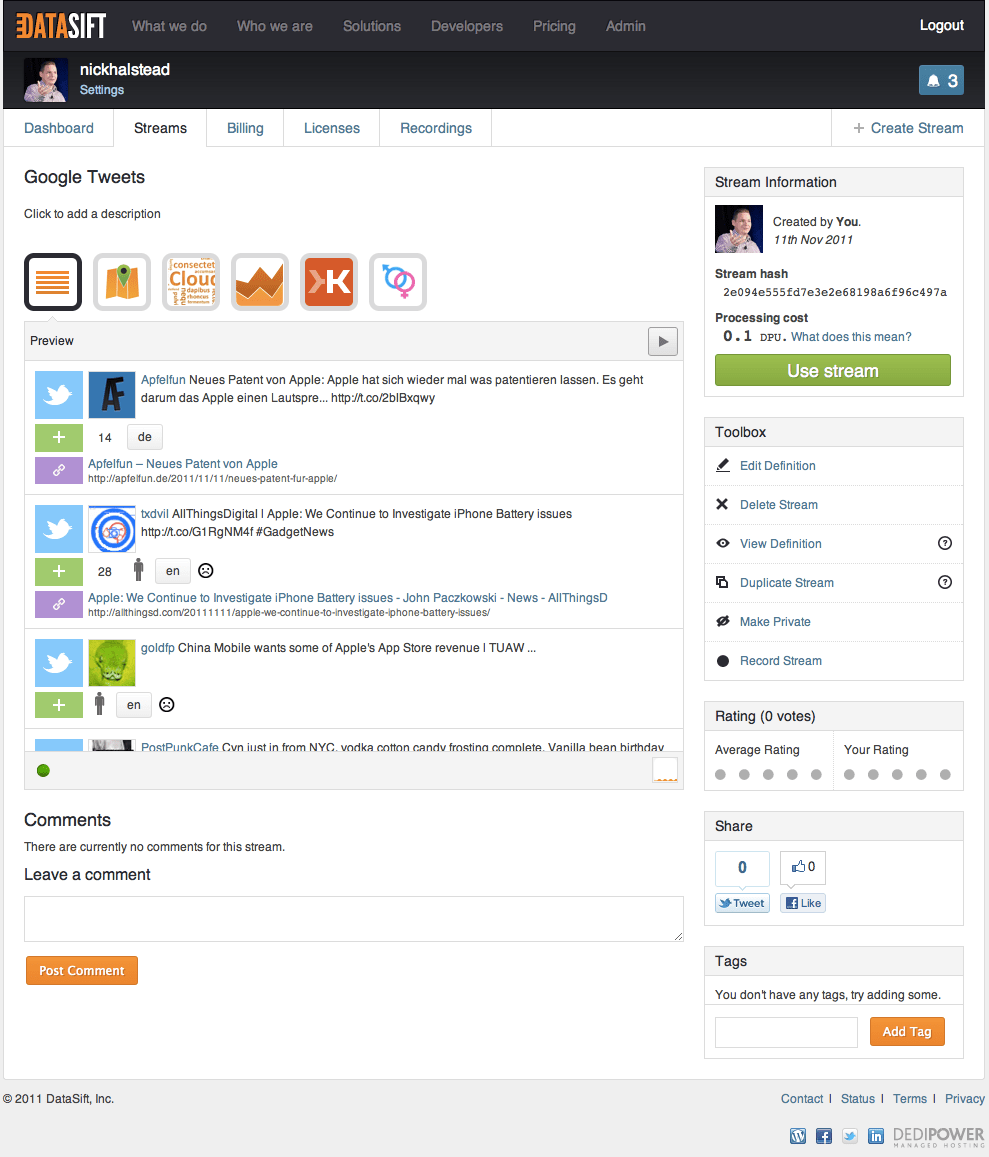
  • Nevada: State of Disaster
  • Thank you, Mr. President
  • America’s Hostile Takeover of Mexico

Richmond Embassy Suites: The best at true Hospitality!

01 Friday Oct 2010

Posted by Paul Kiser in Branding, Business, Customer Relations, Customer Service, Employee Retention, Ethics, Honor, Information Technology, Internet, Lessons of Life, Management Practices, Passionate People, Pride, Public Relations, Random, Re-Imagine!, Recreation, Relationships, Respect, Rotary, Rotary@105, The Tipping Point, Tom Peters, Travel, Women

≈ 1 Comment

Tags

Blogging, Blogs, Customer Loyalty, Embassy Suites, Executive Management, Free Internet, Free WiFi, Hospitality, hotels, HR, Internet, Kathleen Lyons, Management Practices, Motels, New Business World, Public Image, Public Relations, Publicity, Re-Imagine!, Richmond, Richmond VA, Rotary, Starbucks, teamwork, Value-added, Virginia

by Paul Kiser
USA PDT  [Twitter: ] [Facebook] [LinkedIn] [Skype:kiserrotary or 775.624.5679]

Paul Kiser

In August I stayed in hotels in seven different cities (Dallas, TX; Bloomington, IL; Chicago,IL; Minneapolis, MN; Norfolk, VA; Richmond, VA; and Virginia Beach, VA..) In a previous post I expressed my displeasure with pay-for-Internet at the Millennium Hotel* in Minneapolis, which was slightly unfair as the hotel was a pleasant, although completely expected, experience. As a people warehouse the Millennium Hotel fits the mold that is typical of most business traveler-type hotels. However, out of the seven hotels of which I was a guest, there was one that made a big impression on me, the Embassy Suites in Richmond, Virginia.

(*Millennium Hotel: Go Away)

The main entrance the Embassy Suites in Richmond

The Embassy Suites hotel in Richmond, Virginia is not a flashy, Vegas-type hotel. From the outside it is a modern, yet modest building tucked back from busy streets; however, access to the Interstate is nearby. Like many hotels it is surrounded by a massive asphalt parking lot; however, the entrance is behind a landscaped island of trees. The great thing about the foliage is that it creates the sense from the outside that this hotel is not just a people warehouse like so many others.

After entering the hotel one doesn’t have to hunt for the Registration Desk as it is positioned in such a way that it oversees the entrance area, but it doesn’t intrude into the path of a guest walking to their room from the parking lot.

The Inner Courtyard

The striking feature of the hotel is the inner courtyard. I have seen this design before, but it was a refreshing change from institutional interior designs of most people warehouses. The open interior gives a community feel to the hotel rather than the impression that you just walked into a U-Store-It facility, as is the feel of most hotels. The interior landscaping and flowing water features create a tropical environment. This hotel was number six for me during my August travels and it was a refreshing change from the five previous corporate institutions of I had visited.

My room was also vastly different from my previous guest experiences. This was a true ‘suite’ and not just a room with a bed. There was a clearly defined living space with a television, desk, couch, and bar area. The bedroom was in the rear of the suite with a door that would allow privacy if two people were in the room and one wanted to watch television or work while the other one slept. The bedroom had a counter with running water and its own television. The bathroom was in the transition area between the living room and the bedroom offering easy access from both rooms. The entire suite is a brilliant design.

Of course the Internet was free (my minimum requirement) and I had no problems making a connection. If needed, I could have easily made the suite my home base. It is a comfortable living and working environment. I would have had no concerns about hosting small meetings in my room. I had everything I needed except for my Starbucks Chai Tea.

The Embassy Suite's Dining/Reception Area

One of my issues with most hotels is the assumption that people don’t want to interact with other people when they stay in a hotel. I’m as reclusive as most, but to visit a city and never come out of my hotel room is what creates that ‘warehouse feeling’.

At the Richmond Embassy Suites the open feel of the courtyard was put to good use by encouraging guests to congregate twice a day for a free manager’s reception each evening and free breakfast each morning. The reception offered adult and non-alcoholic beverages along with a variety of choices of snack items (hors devours.) The breakfast was as good or better than the breakfasts I’ve eaten at eaten at most Sunrise Rotary Clubs. Those who have eaten a breakfast at a Rotary Club may think that may not be saying much, but I typically pay $14 to $15 to eat a Rotary breakfast and this was free. The free gatherings were the most ‘value-added’ service I have experienced in a hotel.

From the few interactions I had with the hotel staff it was obvious that the Chief Executive of this property, Kathleen Lyons, and her staff understood the meaning of the word ‘guest’. I was always treated with respect and a smile. It was apparent that they were pleased that I choose their hotel over the other options in Richmond.

Giving great customer service is not that mysterious, but it requires that everyone from the bottom (no offense intended, Ms. Lyons, but in my world that means you) up to the top (the maintenance and housekeeping staff) must enjoy what they do and enjoy working with people. It was clear that the Embassy Suites in Richmond is not run by ‘management’, but managed through leadership. Bravo to Ms. Lyons and her team!

More Articles

Our Country and History Related

  • Nevada: State of Disaster
  • Thank you, Mr. President
  • America’s Hostile Takeover of Mexico

Business: Public Relations, Management, and Social Media Related

  • Dear Business Person: It’s 2010, please update your brain.
  • Selling watered-down beer: The best spin campaign in advertising
  • Communication: Repetition of message does not increase awareness
  • Is it time to fire yourself?
  • Millennium Hotel: Go away, spend your money elsewhere
  • Rogue Flight Attendant shows his arrogance, Airlines dislike for the customer
  • 2Q 2010 Social Media Tools: Facebook/Twitter sail on, LinkedIn/MySpace don’t
  • War Declared on Social Media: Desperate Acts of Traditional Media
  • Pay It Middle: The Balance between Too Much and Too Little Compensation
  • Mega Executive Pay Leads to Poor Performance
  • Relationships and Thin-Slicing: Why the other person knows what you’re really thinking
  • Browser Wars: Internet Explorer losing, Google Chrome gaining ground
  • WiFi on Southwest Airlines: Is it ‘Shovel Ready’?
  • Starbucks makes a smart move: Free WiFi
  • Foul Play: FIFA shows what less regulation offers to business
  • The Shock of the McChrystal Story: The story is over before the article is published
  • Tony Hayward: The very model of a modern Major General
  • Epic Fail: PR ‘Experts’ don’t get Twitter
  • King of Anything: Social Media vs Traditional Media
  • Twitter is the Thunderstorm of World Thought
  • Signs of the Times
  • How Social Interactive Media Could Transform Higher Education
  • How to Become a Zen Master of Social Media
  • Death of All Salesmen!
  • Aristotle’s General Rules on Social Media
  • Social Media:  What is it and Why Should You Care?
  • Social Media 2020:  Keep it Personal
  • Social Media 2020:  Who Shouldn’t Be Teaching Social Media
  • Social Media 2020:  Public Relations 2001 vs Social Media Relations 2010
  • Social Media 2020: Who Moved My Public Relations?
  • Publishing Industry to End 2012
  • Who uses Facebook, Twitter, MySpace & LinkedIn?
  • Fear of Public Relations
  • Dissatisfiers: Why John Quit
  • Facebook, Twitter, LinkedIn…Oh My!
  • Does Anybody Really Understand PR?

Rotary Related

  • What most non-Rotarians don’t know about Rotary
  • Rotary@105: Making Rotary Sexy
  • Rotary@105: Grieving change
  • How Rotary can..must..will plug into Social Media
  • Rotary PR: Disrespecting the Club President is a PR/Membership issue
  • Rotary Membership/Public Image Challenge
  • Rotary New Year: Retread or Renaissance?
  • Rotary@105: A young professionals networking club?
  • One Rotary Center: A home for 1.2 million members
  • Rotary@105:  What BP Could Learn from the 1914 Rotary Code of Ethics
  • Rotary Magazine Dilemma Reveals the Impact of Social Media
  • Rotary@105:  April 24th – Donald M. Carter Day
  • Rotary@105:  What kind of animal is Rotary International?
  • Rotary:  The Man in the Yellow Hat as the Ideal Club President?
  • Rotary@105:  Our 1st Rotary Club Dropout
  • Rotary Public Relations and Membership: Eight Steps to a Team Win
  • Rotary: All Public Relations is Local
  • Best Practices:  Become a Target!

Science Related

  • Negative Time: The Self-fulfilling Prophesy a Scientific Possibility?
  • Physics in 2010: The more we understand, the less we know

Personal Experience Related

  • Things I didn’t know about being a Father to a four-year-old boy
  • Riding Reno: The Ladies of Reno
  • Up in the air down in Texas
  • I mow my lawn because…
  • Nevada I-580: An Interstate by any other name
  • Nevada’s oldest brewery opens a Reno location
  • Two Barbecues and a Wedding
  • Car Dealership Re-Imagines Customer Service

Dear Business Person: It is 2010. Please update your brain.

17 Friday Sep 2010

Posted by Paul Kiser in Branding, Business, Communication, Customer Relations, Customer Service, Employee Retention, Government Regulation, History, Information Technology, Internet, Lessons of Life, Management Practices, Membership Recruitment, Membership Retention, Passionate People, Print Media, Public Relations, Re-Imagine!, Relationships, Rotary, Rotary@105, Social Interactive Media (SIM), Social Media Relations, The Tipping Point, Traditional Media, Website

≈ 3 Comments

Tags

Bloggers, Blogging, Blogs, Business, Customer Loyalty, Education, Executive Management, Facebook, Internet, LinkedIn, Management Practices, Membership Recruitment, Membership Retention, MySpace, Networking, Nevada, New Business World, Newspapers, Public Image, Public Relations, Publicity, Re-Imagine!, Referrals, Rotarians, Rotary, Rotary Club, Sales, Selling, Social Media, Social Networking, Twitter, Value-added, Year 2002, YouTube

by Paul Kiser
USA PDT  [Twitter: ] [Facebook] [LinkedIn] [Skype:kiserrotary or 775.624.5679]

Paul Kiser

Recently I listened to a presentation on how to network to increase referrals of potential customers. The speaker made her living by teaching people how to do this, so there is no doubt she knew her subject. Personally, I agree that face-to-face networking skills are critical if you are going to be in business, especially if you have direct customer contact.

However, she quoted statistics from a 2002 study done by the Chamber of Commerce on referral effectiveness based on the method of contact. 2002. That is where she lost me.

How far back is 2002? In 2002, the Department of Justice announced it was going to investigate Enron, the UN Security Council froze the assets of Osama bin Laden, Al-Qaeda, and the Taliban, the Winter Olympics were held in Salt Lake City, Utah, The US Secretary of Energy declared Yucca Mountain, Nevada to be a suitable nuclear waste depository, the Space Shuttle Columbia completed a mission to update the Hubble Space Telescope…it’s last before it would be destroyed on re-entry from it’s next mission in 2003, the United States led coalition invaded Afghanistan, A Beautiful Mind won Best Picture, United Airlines and WorldCom filed for bankruptcy, Congress approved a resolution to go to war with Iraq, and President George W. Bush created the Department of Homeland Security.

Columbia Space Shuttle Breakup in 2003

To some, it may seem like 2002 was yesterday, but when discussing a topic on how business referrals are made in 2010, quoting data from a single, eight year-old study makes me question the relevancy of any of the information provided. Note that the Internet was only eleven years old in 2002. The first Social Media site, Friendster was started in 2002. It wasn’t until 2003, that the more known sites of LinkedIn (May) and MySpace (August) were introduced. Facebook didn’t come on-line until February 2004, YouTube began a year later, and Twitter didn’t start until July 15, 2006.

The world of communication and business have changed dramatically in the past 36 months, let alone the changes over the past eight years. To discuss ‘networking’ from a perspective of the world in 2002 is to be in Denial* of the world of 2010. While ‘more experienced’ business people scoff at “these young people” and their Social Media, the reality is that referrals are being replaced by customer recommendations read off of blogs and other Internet sources. ‘Experienced’ business people can be angry, condescending, and ignorant all they want about the impact of Social Media on business…but it won’t change what has happened. Many people blame government regulation for business failures, but more businesses fail because of outdated business minds and practices than anything other cause and we are neck-deep in 2002 business thinking.

(*See Rotary@105: Grieving Change)

Face-to-face networking is important, but compare the number of face-to-face interactions/connections that a person can make in a day with the number of interactions/connections that can be made through blogs, LinkedIn, Facebook, and Twitter in an hour, and it becomes apparent that dismissing the power of Social Media makes a business person appear uninformed and outdated…sort of like a man who wears shorts, sandals…and black socks. That analogy may not make sense to some people, but then again, those people probably aren’t reading this blog…or any others.

More Articles

  • Riding Reno: The Ladies of Reno
  • America’s Hostile Takeover of Mexico
  • Selling watered-down beer: The best spin campaign in advertising
  • Rotary@105: Grieving change
  • Communication: Repetition of message does not increase awareness
  • Millennium Hotel: Go away, spend your money elsewhere
  • Is it time to fire yourself?
  • Up in the air down in Texas
  • I mow my lawn because…
  • Rogue Flight Attendant shows his arrogance, Airlines dislike for the customer
  • Nevada I-580: An Interstate by any other name
  • How Rotary can..must..will plug into Social Media
  • Physics in 2010: The more we understand, the less we know
  • Nevada’s oldest brewery opens a Reno location
  • Rotary Membership/Public Image Challenge
  • 2Q 2010 Social Media Tools: Facebook/Twitter sail on, LinkedIn/MySpace don’t
  • Epic Fail: PR ‘Experts’ don’t get Twitter
  • King of Anything: Social Media vs Traditional Media
  • Rotary PR: Disrespecting the Club President is a PR/Membership issue
  • WiFi on Southwest Airlines: Is it ‘Shovel Ready’?
  • Starbucks makes a smart move: Free WiFi
  • Two Barbecues and a Wedding
  • Foul Play: FIFA shows what less regulation offers to business
  • Rotary New Year: Retread or Renaissance?
  • The Shock of the McChrystal Story: The story is over before the article is published
  • Tony Hayward: The very model of a modern Major General
  • Rotary@105: A young professionals networking club?
  • One Rotary Center: A home for 1.2 million members
  • War Declared on Social Media: Desperate Acts of Traditional Media
  • Pay It Middle: The Balance between Too Much and Too Little Compensation
  • Mega Executive Pay Leads to Poor Performance
  • Relationships and Thin-Slicing: Why the other person knows what you’re really thinking
  • Browser Wars: Internet Explorer losing, Google Chrome gaining ground
  • Rotary@105:  What BP Could Learn from the 1914 Rotary Code of Ethics
  • Twitter is the Thunderstorm of World Thought
  • Signs of the Times
  • Rotary Magazine Dilemma Reveals the Impact of Social Media
  • How Social Interactive Media Could Transform Higher Education
  • How to Become a Zen Master of Social Media
  • Car Dealership Re-Imagines Customer Service
  • Death of All Salesmen!
  • Aristotle’s General Rules on Social Media
  • Social Media:  What is it and Why Should You Care?
  • Social Media 2020:  Keep it Personal
  • Social Media 2020:  Who Shouldn’t Be Teaching Social Media
  • Social Media 2020:  Public Relations 2001 vs Social Media Relations 2010
  • Social Media 2020: Who Moved My Public Relations?
  • Publishing Industry to End 2012
  • Who uses Facebook, Twitter, MySpace & LinkedIn?
  • Fear of Public Relations
  • Dissatisfiers: Why John Quit
  • Facebook, Twitter, LinkedIn…Oh My!
  • Does Anybody Really Understand PR?
  • Rotary@105:  April 24th – Donald M. Carter Day
  • Rotary@105:  What kind of animal is Rotary International?
  • Rotary:  The Man in the Yellow Hat as the Ideal Club President?
  • Rotary@105:  Our 1st Rotary Club Dropout
  • Rotary Public Relations and Membership: Eight Steps to a Team Win
  • Rotary: All Public Relations is Local
  • Best Practices:  Become a Target!

Rotary@105: Grieving Change

07 Tuesday Sep 2010

Posted by Paul Kiser in Book Review, Branding, Business, Club Leadership, Communication, Crisis Management, Customer Relations, Customer Service, Information Technology, Internet, Lessons of Life, Management Practices, Membership Recruitment, Membership Retention, Passionate People, Print Media, Public Relations, Random, Re-Imagine!, Relationships, Rotary, Rotary@105, Science, Social Interactive Media (SIM), Social Media Relations, The Tipping Point, Traditional Media, Website

≈ 1 Comment

Tags

Acceptance, Anger, Bargaining, Blogging, Blogs, Book, Change, Club Members, Customer Loyalty, Denial, Depression, Elisabeth Kübler-Ross, Executive Management, Facebook, Grief, Grieving, Grieving Loss, History of Rotary, Internet, LinkedIn, Loss, Management Practices, Membership Recruitment, Membership Retention, New Business World, On Death and Dying, Paul Harris, Public Image, Public Relations, Publicity, Re-Imagine!, Rotarians, Rotary, Rotary Club, Rotary District 5190, Rotary International, Social Media, Tradition, Twitter, Value-added

by Paul Kiser
USA PDT  [Twitter] [Facebook] [LinkedIn] [Skype:kiserrotary or 775.624.5679]

Paul Kiser

On October 16th, our Rotary District (5190) will hold the second annual Public Relations (PR) seminar. It is a difficult topic because PR is a vital component to all aspects of Club operations, especially Membership recruitment and retention; however, for very ‘human’ reasons many members/clubs may not ready to listen to many of the key concepts because they are not ready to face the reality of the current situation.

To understand the resistance to the topic I need to refer to the 1969 book by Elisabeth Kübler-Ross, On Death and Dying and her model of the grieving process. Her book became a major work in the fields of psychology and counseling for decades and while many experts now reject the idea of ‘stages’ of grieving, her model serves to remind us that people are influenced by their emotional state and some information will not be easily accepted when change intersects with tradition.

On Death and Dying by Elisabeth Kübler-Ross

In the book, Kübler-Ross proposes that the grieving process involves five stages that help us recover from personal crisis back to a more balanced life where the incident or loss does not rule our lives and influence our decision-making. The stages are: 1) Denial, 2) Anger, 3) Bargaining, 4) Depression, and finally, 5) Acceptance.

So what is happening in Rotary that would cause a member or a club to be in crisis? Two issues come to mind.

Membership in Crisis
First, Rotary has been battling a significant membership issue for almost 15 years. For example, in 2005, Rotary Zone 23 (now re-zoned as Zone 25) had 568 clubs consisting of 33,921 members and five years later (2009) Zone 23 consisted of 33,304 members in 588 clubs.  While the number of clubs had increased by 20, total membership had decreased by over 600 people. This is only about a two percent loss over five years; however, the problem is that, 1) this has been a consistent trend for most of the last 15 years, and 2) every Rotary International President for the last nine years has pushed for increased membership as part of the key programs for his year.

The facts are simple: Rotary is bleeding membership and clubs are getting smaller (in Zone 23, an average of 3 members smaller over five years.) In seven years Rotary has brought in 1.2 million members…and lost 1.2 million members. Membership in North America, and many other western countries is on the decline. If current trends continue, over the next 15 to 20 years many community Rotary clubs will shrink until they are no longer relevant and then disband. Many small clubs are already facing this problem today and have less than five years to solve their membership crisis.

A New Business World
The second issue is external to the Rotary club. Business and communication is undergoing a rapid change and all the rules are changing. The Internet and, in particular, Social Media have challenged how business operates in a world where one person can be heard by millions, and if that person is talking about your product or service you have to be plugged in and listening or be lost in ignorance of what your customers and potential customers know about you. This new world demands personal involvement, yet many people (especially older business people) don’t want to be forced to participate in Social Media tools that put them and their company up for public scrutiny. There is a growing division between older professionals that tend to reject Social Media tools and younger professionals that tend to accept them. Guess in which category most Rotarians fit?

Action Obstructed by Grieving
Public Relations offers potential solutions to both issues. By becoming aware of the Club’s public image (how non-members perceive Rotary) the members can adapt their PR plan to maximize the value of the club projects and programs to help non-members understand the purpose and scope of Rotary. Members can also be aware of behaviors and information that reinforce negative stereotypes that non-members may have about Rotary, then avoid situations that might damage the reputation of the club. P
R can also help members understand and adapt to the Social Media tools and use them to the best advantage for the club…and their business.

The problem is that discussion of these solutions is premature when someone is grieving. It is akin to telling the man who just lost his wife that, “there are plenty of fish in the ocean.” The combination of scrambling to understand a new business environment while facing a slow bleed of Rotary club members has many Rotarians in the one of the stages of grieving.

For some it is the first stage: Denial:

Stages of Coping with Loss

“There is no membership crisis. The world is the same today as it always has been. Our club is fine, we’ve been around for decades and we will continue to be here for decades to come.”

For others it is Anger:

“This is our club! We don’t need to change, if someone wants to belong to our club they need to change to our way of doing things! Don’t tell me what to do, I’ve been around a lot longer than you! Most of our members aren’t even on Facebook!”

For some it is Bargaining:

“We need QUALITY members, not more members. What help are we going to get to make these changes? How do you know this will work? How do I know this is not just a waste of time?”

And for some it is Depression:

“….”

Of all of the stages, a club should fear depression the most. Apathy and membership are never good combinations; however, for some members who are overwhelmed by change, the depression over the issues will open the door for them to quietly leave Rotary. In some cases, a member who is entrenched in tradition may not be able to accept change and leaving Rotary is the only option, but hopefully we can be aware that grieving change is part of the process and present the message in a way that will help members to the final stage of grieving, Acceptance.

More Articles

  • Communication: Repetition of message does not increase awareness
  • Millennium Hotel: Go away, spend your money elsewhere
  • Is it time to fire yourself?
  • Up in the air down in Texas
  • I mow my lawn because…
  • Rogue Flight Attendant shows his arrogance, Airlines dislike for the customer
  • Nevada I-580: An Interstate by any other name
  • How Rotary can..must..will plug into Social Media
  • Physics in 2010: The more we understand, the less we know
  • Nevada’s oldest brewery opens a Reno location
  • Rotary Membership/Public Image Challenge
  • 2Q 2010 Social Media Tools: Facebook/Twitter sail on, LinkedIn/MySpace don’t
  • Epic Fail: PR ‘Experts’ don’t get Twitter
  • King of Anything: Social Media vs Traditional Media
  • Rotary PR: Disrespecting the Club President is a PR/Membership issue
  • WiFi on Southwest Airlines: Is it ‘Shovel Ready’?
  • Starbucks makes a smart move: Free WiFi
  • Two Barbecues and a Wedding
  • Foul Play: FIFA shows what less regulation offers to business
  • Rotary New Year: Retread or Renaissance?
  • The Shock of the McChrystal Story: The story is over before the article is published
  • Tony Hayward: The very model of a modern Major General
  • Rotary@105: A young professionals networking club?
  • One Rotary Center: A home for 1.2 million members
  • War Declared on Social Media: Desperate Acts of Traditional Media
  • Pay It Middle: The Balance between Too Much and Too Little Compensation
  • Mega Executive Pay Leads to Poor Performance
  • Relationships and Thin-Slicing: Why the other person knows what you’re really thinking
  • Browser Wars: Internet Explorer losing, Google Chrome gaining ground
  • Rotary@105:  What BP Could Learn from the 1914 Rotary Code of Ethics
  • Twitter is the Thunderstorm of World Thought
  • Signs of the Times
  • Rotary Magazine Dilemma Reveals the Impact of Social Media
  • How Social Interactive Media Could Transform Higher Education
  • How to Become a Zen Master of Social Media
  • Car Dealership Re-Imagines Customer Service
  • Death of All Salesmen!
  • Aristotle’s General Rules on Social Media
  • Social Media:  What is it and Why Should You Care?
  • Social Media 2020:  Keep it Personal
  • Social Media 2020:  Who Shouldn’t Be Teaching Social Media
  • Social Media 2020:  Public Relations 2001 vs Social Media Relations 2010
  • Social Media 2020: Who Moved My Public Relations?
  • Publishing Industry to End 2012
  • Who uses Facebook, Twitter, MySpace & LinkedIn?
  • Fear of Public Relations
  • Dissatisfiers: Why John Quit
  • Facebook, Twitter, LinkedIn…Oh My!
  • Does Anybody Really Understand PR?
  • Rotary@105:  April 24th – Donald M. Carter Day
  • Rotary@105:  What kind of animal is Rotary International?
  • Rotary:  The Man in the Yellow Hat as the Ideal Club President?
  • Rotary@105:  Our 1st Rotary Club Dropout
  • Rotary Public Relations and Membership: Eight Steps to a Team Win
  • Rotary: All Public Relations is Local
  • Best Practices:  Become a Target!

Communication: Repetition of message does not increase awareness

03 Friday Sep 2010

Posted by Paul Kiser in Branding, Business, Communication, Crisis Management, Customer Relations, Customer Service, Ethics, Government Regulation, Information Technology, Internet, Lessons of Life, Management Practices, Passionate People, Public Relations, Relationships, Rotary, Social Interactive Media (SIM), Social Media Relations, Traditional Media, Travel

≈ 1 Comment

Tags

air safety, Blogging, Facebook, flight attendant, Internet, LinkedIn, Management Practices, New Business World, pre-flight briefing, Public Image, Public Relations, Publicity, Rotary, Social Media, Social Networking, Southwest Airlines, SWA, Twitter

by Paul Kiser
USA PDT  [Twitter] [Facebook] [LinkedIn] [Skype:kiserrotary or 775.624.5679]

Paul Kiser

“….Welcome to Flight 2333 to Norfolk….”

August was a busy month of travel for me. On four round trips in one month I spent over 40 hours on sixteen Southwest Airline planes and heard the pre-flight safety briefing 19 times. That would theoretically make me one of the most knowledgeable passengers on flight safety. One would think that I could repeat the flight attendant patter verbatim by now. But I can’t. I travel enough that the safety briefing is merely spam to me.

“…We would like to point out a few of the safety features on this Boeing 737. To fasten your seat belt slide the metal tab in the buckle. To release the belt pull up on the tab on the top of the buckle…..”

Attention will be paid to that which is unique

I know that this briefing is intended to provide a safe traveling environment and maybe there is someone who is allowed out in public who doesn’t know how to buckle a seatbelt, but really, does mindless repetition make us safer? The answer is ‘no’. Repetition can be useful in helping the brain hardwire complex information, but when the information is perceived to be too basic most people stop listening.

The failure of the passenger pre-flight briefing to inform serves as a good lesson for business people. A lot of smart people should know this, but I still find business men and women who live by the erroneous assumption that the more they get their message out, the more successful will be their endeavor. I have one group that sends at least one email to me everyday, and sometimes more than one email. I support the purpose of this organization, but I am considering blocking their emails because they have become spam to me.  When I open their email I read a few words and I file it away.

A ‘Hoser’ is what I call people who flood a Social Media tool with posts. On Twitter, I never read Tweets from someone who has multiple posts in quick succession. Sometimes people use applications that allow the Tweets to be posted on a schedule, which I think is a mistake.  When I see the same face on five consecutive posts I consider ‘unfollowing’ them over reading what they have to say. The same is true on Facebook and LinkedIn.

More about using Social Media in Aristotle’s Rules of Social Media

To be successful Public Relations and Marketing professionals must accept that a message must be more than a pre-flight briefing. If the message is just about repetition then not only will the audience not get the information, they will be annoyed by it. This is a hard lesson for traditional media ‘experts’ because they lived through a time when the audience had to get spam to get the entertainment (commercials embedded in television shows or ads embedded in magazine/newspaper articles.) Traditional media was designed to force the audience to accept the spam, but the Social Media is oriented to the audience, not the advertiser, and this means the reader has the power of the ‘off’ switch. To be heard, and understood PR/Marketing professionals must reject the old annoying ways of the past and use style, not repetition to get the message out.

As for the airlines, the pre-flight briefing will never go away even though it is completely ineffective. The briefing has little to do with informing people and everything to do with asserting the authority of the flight attendants. By standing up and lecturing the passengers on what passengers can and can’t do, they are identifying themselves as the people in charge, which is important in the unlikely event of a crisis on the plane.

However, the problem is that when your message is largely being ignored because it lacks content, the risk is that passengers won’t listen to other announcements. That’s another important lesson for PR professionals.

More Articles

  • Millennium Hotel: Go away, spend your money elsewhere
  • Is it time to fire yourself?
  • Up in the air down in Texas
  • I mow my lawn because…
  • Rogue Flight Attendant shows his arrogance, Airlines dislike for the customer
  • Nevada I-580: An Interstate by any other name
  • How Rotary can..must..will plug into Social Media
  • Physics in 2010: The more we understand, the less we know
  • Nevada’s oldest brewery opens a Reno location
  • Rotary Membership/Public Image Challenge
  • 2Q 2010 Social Media Tools: Facebook/Twitter sail on, LinkedIn/MySpace don’t
  • Epic Fail: PR ‘Experts’ don’t get Twitter
  • King of Anything: Social Media vs Traditional Media
  • Rotary PR: Disrespecting the Club President is a PR/Membership issue
  • WiFi on Southwest Airlines: Is it ‘Shovel Ready’?
  • Starbucks makes a smart move: Free WiFi
  • Two Barbecues and a Wedding
  • Foul Play: FIFA shows what less regulation offers to business
  • Rotary New Year: Retread or Renaissance?
  • The Shock of the McChrystal Story: The story is over before the article is published
  • Tony Hayward: The very model of a modern Major General
  • Rotary@105: A young professionals networking club?
  • One Rotary Center: A home for 1.2 million members
  • War Declared on Social Media: Desperate Acts of Traditional Media
  • Pay It Middle: The Balance between Too Much and Too Little Compensation
  • Mega Executive Pay Leads to Poor Performance
  • Relationships and Thin-Slicing: Why the other person knows what you’re really thinking
  • Browser Wars: Internet Explorer losing, Google Chrome gaining ground
  • Rotary@105:  What BP Could Learn from the 1914 Rotary Code of Ethics
  • Twitter is the Thunderstorm of World Thought
  • Signs of the Times
  • Rotary Magazine Dilemma Reveals the Impact of Social Media
  • How Social Interactive Media Could Transform Higher Education
  • How to Become a Zen Master of Social Media
  • Car Dealership Re-Imagines Customer Service
  • Death of All Salesmen!
  • Aristotle’s General Rules on Social Media
  • Social Media:  What is it and Why Should You Care?
  • Social Media 2020:  Keep it Personal
  • Social Media 2020:  Who Shouldn’t Be Teaching Social Media
  • Social Media 2020:  Public Relations 2001 vs Social Media Relations 2010
  • Social Media 2020: Who Moved My Public Relations?
  • Publishing Industry to End 2012
  • Who uses Facebook, Twitter, MySpace & LinkedIn?
  • Fear of Public Relations
  • Dissatisfiers: Why John Quit
  • Facebook, Twitter, LinkedIn…Oh My!
  • Does Anybody Really Understand PR?
  • Rotary@105:  April 24th – Donald M. Carter Day
  • Rotary@105:  What kind of animal is Rotary International?
  • Rotary:  The Man in the Yellow Hat as the Ideal Club President?
  • Rotary@105:  Our 1st Rotary Club Dropout
  • Rotary Public Relations and Membership: Eight Steps to a Team Win
  • Rotary: All Public Relations is Local
  • Best Practices:  Become a Target!

Millennium Hotel: Go away, spend your money elsewhere

27 Friday Aug 2010

Posted by Paul Kiser in Branding, Business, Communication, Customer Relations, Customer Service, Information Technology, Internet, Lessons of Life, Management Practices, Passionate People, Public Relations, Re-Imagine!, Rotary, Social Interactive Media (SIM), Social Media Relations, The Tipping Point, Tom Peters, Travel

≈ 3 Comments

Tags

Blogging, Customer Loyalty, Executive Management, Free Internet, Free WiFi, hotels, Internet, Management Practices, Millennium Hotel, Minneapolis, Minnesota, New Business World, Public Image, Public Relations, Publicity, Re-Imagine!, Social Media, Social Networking, Tom Peters, Value-added, WiFi

by Paul Kiser
USA PDT  [Twitter] [Facebook] [LinkedIn] [Skype:kiserrotary or 775.624.5679]

Paul Kiser

This week I spent a couple of nights in the Millennium Hotel in downtown Minneapolis, Minnesota, USA. Now this is a good hotel and it has everything you would expect for the business traveler. The rooms are clean and reasonably updated. The staff is pleasant. It has a restaurant and a bar (although it struck me that maybe both were afterthoughts in the lobby design.) It has a pool on a fitness room (I didn’t go to hunt for them, but I’m assured that they exist.) It has a television with a selection of stations and optional pay-for-movies.

They have everything you might expect, save one item. Free WiFi/Internet. To access the Internet in the Millennium Hotel in Minneapolis you must add $10 (okay, $9.95) to the daily room rate.

Some business practices reflect old ideas.

This means one of two things. Either they decided to contract out their Internet service and they are getting some kind of kickback, or they have a bean-counter in their organization that has said to management, “Hey, we can boost our room rate by $10 if we charge for the Internet!”

It doesn’t matter why they charge for Internet service because what it says to me is simply, “We would prefer that you go elsewhere for Internet service.” In my case, I go to Starbucks where I can get online for free…and buy my tea with my extra $10…and then, rather than go back to the hotel to eat I find a place near Starbucks. Is that what they want their guests to do? Apparently.

A better place to spend $10/day

Next month I will be going back to Minneapolis and I will find my hotel on Priceline.com. That may land me back in the Millennium Hotel and once more I will go outside the hotel to connect to the world…and spend my money. I wonder if they have a clue? I seriously doubt it.

More Articles

  • Is it time to fire yourself?
  • Up in the air down in Texas
  • I mow my lawn because…
  • Rogue Flight Attendant shows his arrogance, Airlines dislike for the customer
  • Nevada I-580: An Interstate by any other name
  • How Rotary can..must..will plug into Social Media
  • Physics in 2010: The more we understand, the less we know
  • Nevada’s oldest brewery opens a Reno location
  • Rotary Membership/Public Image Challenge
  • 2Q 2010 Social Media Tools: Facebook/Twitter sail on, LinkedIn/MySpace don’t
  • Epic Fail: PR ‘Experts’ don’t get Twitter
  • King of Anything: Social Media vs Traditional Media
  • Rotary PR: Disrespecting the Club President is a PR/Membership issue
  • WiFi on Southwest Airlines: Is it ‘Shovel Ready’?
  • Starbucks makes a smart move: Free WiFi
  • Two Barbecues and a Wedding
  • Foul Play: FIFA shows what less regulation offers to business
  • Rotary New Year: Retread or Renaissance?
  • The Shock of the McChrystal Story: The story is over before the article is published
  • Tony Hayward: The very model of a modern Major General
  • Rotary@105: A young professionals networking club?
  • One Rotary Center: A home for 1.2 million members
  • War Declared on Social Media: Desperate Acts of Traditional Media
  • Pay It Middle: The Balance between Too Much and Too Little Compensation
  • Mega Executive Pay Leads to Poor Performance
  • Relationships and Thin-Slicing: Why the other person knows what you’re really thinking
  • Browser Wars: Internet Explorer losing, Google Chrome gaining ground
  • Rotary@105:  What BP Could Learn from the 1914 Rotary Code of Ethics
  • Twitter is the Thunderstorm of World Thought
  • Signs of the Times
  • Rotary Magazine Dilemma Reveals the Impact of Social Media
  • How Social Interactive Media Could Transform Higher Education
  • How to Become a Zen Master of Social Media
  • Car Dealership Re-Imagines Customer Service
  • Death of All Salesmen!
  • Aristotle’s General Rules on Social Media
  • Social Media:  What is it and Why Should You Care?
  • Social Media 2020:  Keep it Personal
  • Social Media 2020:  Who Shouldn’t Be Teaching Social Media
  • Social Media 2020:  Public Relations 2001 vs Social Media Relations 2010
  • Social Media 2020: Who Moved My Public Relations?
  • Publishing Industry to End 2012
  • Who uses Facebook, Twitter, MySpace & LinkedIn?
  • Fear of Public Relations
  • Dissatisfiers: Why John Quit
  • Facebook, Twitter, LinkedIn…Oh My!
  • Does Anybody Really Understand PR?
  • Rotary@105:  April 24th – Donald M. Carter Day
  • Rotary@105:  What kind of animal is Rotary International?
  • Rotary:  The Man in the Yellow Hat as the Ideal Club President?
  • Rotary@105:  Our 1st Rotary Club Dropout
  • Rotary Public Relations and Membership: Eight Steps to a Team Win
  • Rotary: All Public Relations is Local
  • Best Practices:  Become a Target!

How Rotary can…must…will plug into Social Media

28 Wednesday Jul 2010

Posted by Paul Kiser in Branding, Club Leadership, Communication, Customer Relations, Customer Service, Information Technology, Internet, Management Practices, Membership Recruitment, Membership Retention, Passionate People, Print Media, Public Relations, Re-Imagine!, Rotary, Rotary@105, Social Interactive Media (SIM), Social Media Relations, Tom Peters, Traditional Media, Website

≈ 4 Comments

Tags

Bloggers, Blogging, Blogs, Club Members, Facebook, History of Rotary, LinkedIn, Membership Recruitment, Membership Retention, New Business World, Paul Harris, Public Image, Public Relations, Publicity, Re-Imagine!, Rotarians, Rotary, Rotary Club, Rotary District 5190, Rotary International, Rotary policies, Social Media, Social Networking, Tom Peters, Twitter, Value-added

by Paul Kiser
USA PDT  [Twitter: ] [Facebook] [LinkedIn] [Skype:kiserrotary or 775.624.5679]

Social Media (sO-shul  mE-dE-ah) – 1) any Internet function that allows user comment or input, 2) interconnected Internet tools that promote participation in the sharing of ideas, concepts, and information between users or members, 3) a type of interactive communication on the Internet that bypasses the non-interactive, one-way, broadcast-type communication of traditional media (e.g.; newspaper, magazine, radio, television, books, etc.) 4) an evil plot devised by mostly young people who seek to destroy traditional media, end all privacy, and rule the world by talking to each other.

Paul Kiser

Rotary is not an organization that reacts quickly to change. The parent organization meets only once every three years to discuss and propose major policy changes and even then the meeting consists of senior representatives (Past District Governors) from each Rotary District. Rotary clubs themselves often consist of members that disproportionately represents males over 50, (of which I am one,) and that group is not normally known for its adaptation skills in changing environments. In many ways, Rotary is the poster child for rigidity, rules, and tradition.

The problem is that we don’t live in a world that rewards the slow or unadaptive. We have moved into a period of rapid change that is similar to the Crusades ‘convert or die’ philosophy and nowhere is this more obvious than in the world of Social Media. Never before have we seen a key function of our world, namely communication, advance in such a short time period. We now live in the Peter Drucker and Tom Peters world of Ready, Fire, Aim!

Consider the revolution of computers. From the introduction of personal computers from 1975 to 1985, the personal computer at home and in the office was a novelty. It was an interesting device, but limited in its usefulness. By 1985, the personal computer was starting to become a staple in business and by 1995, the computer was firmly entrenched into our everyday lives. It took approximately 20 years for computers to go from ‘a toy’ to staple of life.

Compare the computer revolution to the Social Media revolution. Just over six years ago Facebook didn’t exist. Just over four years ago Twitter didn’t exist. In the past three years the way we communicate has so drastically changed that email is considered on par with snail mail by most people under 30 years old.

Social Media Revolution

(What’s changed? See the Social Media Revolution Video)

So what does this mean for a world-wide service organization like Rotary? Change. Change like our organization has never experienced in its 105 years. But it will be good change…for most of us.

Open Discussion of Issues
The Social Media revolution is characterized by open discussion of ideas and concepts. Over the next 18 months we should expect to see more members who are passionate about Rotary writing personal blogs. These individual blogs will not be sanitized messages approved by Rotary International, but personal viewpoints (like this one) discussing current issues at the Club, District, and RI levels. Sometimes the ideas and opinions expressed will be uplifting, sometimes awkward and/or uncomfortable, and sometimes they will just be wrong. The point is that there will be discussion of Rotary…good…bad…or both, and we should expect it.

The leadership of Rotary, from Club Presidents to the RI President, can either pretend it is not happening and hope it will go away, or they can decide to participate. My vote is participation. A District Governor may serve her or his District for a year and speak once at every club, but a blog is forever and is accessible to everyone in the world. Wise input from knowledgeable leaders can help promote positive discussions, and discourage inappropriate discussions. The worst thing to do is to allow a single Rotarian to create misguided impressions of Rotary by not correcting or responding to incorrect statements.

This must be done with care, as we are all aware that in the 1980’s Rotary International (RI) took a stand against a California club that allowed women to join, thus beginning a fight that ended up in the U.S. Supreme Court where RI ended up on the wrong end of the law.

Still, we do have key principles that must be protected as was the case in 2006-07. A California club began promoting a project to buy special ammo clips for U.S. soldiers at war in Iraq and Afghanistan and was pedaling this program to other clubs. Clearly, this was a violation of Rotary’s peaceful mission to serve and of RI’s Constitution. Such violations of our principles must be addressed and corrected by the leadership of Rotary.

Rotary leadership must take care in participating, but they should not only comment, they should write their own blogs. A more open discussion of Rotary related issues will serve to make our organization stronger and will help guide the leadership to address true member issues, not just what filters up through the Chain of Command.

Better Communications – Smaller Chunks, Targeted Audience
In the 1960’s a newsletter was vital information that couldn’t be accessed anywhere else. As copy machines in the 1970’s and 80’s got better the quality of the newsletters got better. The spread of color inkjet printers (HP made a killing on color ink) of the 1990’s brought newsletters to the height of their glory and anybody and everybody put out newsletters about anything. Today, a newsletter is only slightly higher on the value scale than junk mail. The problem is that few people have time to spend 15 minutes reading it and much of the information is not of interest to the reader. In addition, the quality of the editing and design of a weekly club newsletter goes from professional grade to…well, not so much. Often the editor is a volunteer who is passionate about the club, but may or may not agree with the current priorities of the club leadership.

Enter Facebook and Twitter. Most clubs I’ve been involved in regarding incorporating Facebook or Twitter into club communications have included this statement, “But most of our club members don’t use Facebook.” If there is a defining remark about the state of a club’s recruitment situation, that is it. Over 500 million people use Facebook and Rotary clubs don’t think it is relevant because their current members don’t use it. If your membership is not using the most current methods of communication, that should tell you why people in the real world see Rotary and your club as out-of-date and out of touch.

Facebook and Twitter provide information in small readable chunks. No one has to read all 10,000 words in the newsletter to get the information they need, they just read what is of interest to them and they read it in a format that gives it to them when they are ready to read it. Those that don’t use Facebook or Twitter will find that they know less and less about what is going on in the world around them and ignorance is not a Rotary value. The club that doesn’t have an active website and Facebook Fan Page within 12 months will most likely be the club that is consistently struggling to maintain membership. It that simple.

Fortunately, I know that Rotary clubs will adapt to the new Social Media whether anyone wants it or not. They will adapt because those clubs that don’t will waste away, while those that embrace Social Media will begin to see new, younger, smarter members fill in the ranks. It’s the way change works according to Darwin.

Paul Harris began Rotary to make connections with other people. Paul Harris would have loved Social Media.

More Articles

  • Physics in 2010: The more we understand, the less we know
  • Nevada’s oldest brewery opens a Reno location
  • Rotary Membership/Public Image Challenge
  • 2Q 2010 Social Media Tools: Facebook/Twitter sail on, LinkedIn/MySpace don’t
  • Epic Fail: PR ‘Experts’ don’t get Twitter
  • King of Anything: Social Media vs Traditional Media
  • Rotary PR: Disrespecting the Club President is a PR/Membership issue
  • WiFi on Southwest Airlines: Is it ‘Shovel Ready’?
  • Starbucks makes a smart move: Free WiFi
  • Two Barbecues and a Wedding
  • Foul Play: FIFA shows what less regulation offers to business
  • Rotary New Year: Retread or Renaissance?
  • The Shock of the McChrystal Story: The story is over before the article is published
  • Tony Hayward: The very model of a modern Major General
  • Rotary@105: A young professionals networking club?
  • One Rotary Center: A home for 1.2 million members
  • War Declared on Social Media: Desperate Acts of Traditional Media
  • Pay It Middle: The Balance between Too Much and Too Little Compensation
  • Mega Executive Pay Leads to Poor Performance
  • Relationships and Thin-Slicing: Why the other person knows what you’re really thinking
  • Browser Wars: Internet Explorer losing, Google Chrome gaining ground
  • Rotary@105:  What BP Could Learn from the 1914 Rotary Code of Ethics
  • Twitter is the Thunderstorm of World Thought
  • Signs of the Times
  • Rotary Magazine Dilemma Reveals the Impact of Social Media
  • How Social Interactive Media Could Transform Higher Education
  • How to Become a Zen Master of Social Media
  • Car Dealership Re-Imagines Customer Service
  • Death of All Salesmen!
  • Aristotle’s General Rules on Social Media
  • Social Media:  What is it and Why Should You Care?
  • Social Media 2020:  Keep it Personal
  • Social Media 2020:  Who Shouldn’t Be Teaching Social Media
  • Social Media 2020:  Public Relations 2001 vs Social Media Relations 2010
  • Social Media 2020: Who Moved My Public Relations?
  • Publishing Industry to End 2012
  • Who uses Facebook, Twitter, MySpace & LinkedIn?
  • Fear of Public Relations
  • Dissatisfiers: Why John Quit
  • Facebook, Twitter, LinkedIn…Oh My!
  • Does Anybody Really Understand PR?

Nevada’s oldest brewpub opens new Reno brewery

25 Sunday Jul 2010

Posted by Paul Kiser in About Reno, Branding, Business, Customer Relations, Information Technology, Passionate People, Public Relations, Rotary, Social Interactive Media (SIM), Social Media Relations

≈ 3 Comments

Tags

Beer, Blogging, Blogs, Brewery, Brewing, Brewpub, Craft Beer, Customer Loyalty, Employment, Food, Grain, Great Basin, Hops, Management Practices, Micorbrewery, Nevada, New Business World, Public Image, Public Relations, Publicity, Restaurant, Rotarians, Rotary, Rotary Club, Rotary District 5190, Specialty Beer, The Great Basin Brewing Company, Value-added

by Paul Kiser
USA PDT  [Twitter: ] [Facebook] [LinkedIn] [Skype:kiserrotary or 775.624.5679]

Paul Kiser

No one could legally brew beer in Nevada until the early 1990’s. That was changed, in part, by the efforts of Tom and Bonda Young and a few other brewing entrepreneurs who worked to change antiquated State laws. Once the law was changed Tom and a business partner established the first brew pub in northern Nevada, the Great Basin Brewing Company in 1993. Today, Great Basin Brewing is the oldest brewpub in Nevada and this week it will open a new top shelf brewery/restaurant in Reno.

Great Basin Brewery might have started out in Reno, except that the law that allowed brewpubs to operate in Nevada initially required the location to be in an area designated as a redevelopment zone and Sparks stepped forward to welcome the venture in the Victorian Avenue redevelopment plan. For 17 years it has been a significant part of downtown Sparks.

South side of the New Great Basin Brewing Company in Reno, NV, USA

Brewpubs are no longer restricted to redevelopment zones and last November Tom and Bonda took the leap to expand by remodeling a former Mexican chain restaurant into a showcase brewery serving some of Nevada’s most honored craft (specialty) beers. The new Reno location will significantly increase the production of the local brewpub that already is among the top 35 among over 1600 in the United States. The Sparks location can currently produce 7 barrels of beer at a time, but the new brewery will increase the combined production to 32 barrels.

Eli and Ryan working the brewing room

In addition to increased beer production, the new Reno Great Basin Brewery location will serve the same menu as its Sparks sister facility with the addition of hot baked pizza from their new brick pizza oven. The expansion of Nevada’s home-grown brewery has also created new jobs with the increased staff, along with the construction workers involved in the remodel. Tom also worked with local suppliers as demonstrated by using a local carpenter to build all the table tops in the facility.

Several members of the brewery staff have taken on significant responsibilities during the remodel and ramp up phases of the project including Jazz Aldrich, Eli Brightburg-Smith, Paul Ganzer, Dave Miller, Ryan Quinlan, and Dondo. This week has been spent taking the final step to make the new facility’s restaurant operational for the public opening on Monday (July 26).

Signs show which craft beers are currently on tap.

While watching beer brew can be as exciting as watching grass grow, it is intriguing to be able to see the large stainless steel containers that ferment grain products into a wide variety of craft beers that have landed the most awards of any Nevada brewpub. The new facility includes a silo on the southwest side of the building for the grain used by the brewery, which is a reminder that this is a real brewery with a brewpub and restaurant, and not just a restaurant that has a small brewery function to qualify as a brewpub.

I’m a big fan of the Young’s and the Great Basin Brewing Company. Tom Young has been a long-time member of the Rotary Club of Sparks and has donated many kegs of beer at cost or less for many fundraisers in the Reno/Sparks area. He and Bonda have also hosted Rotary Youth Exchange students and been active participants in club activities. It is exciting to see local business people who have given back so much to the community expand their operations and bring a quality brewery into Reno proper. If you have a chance to stop by this week I highly recommend stopping in to see the facility and have a beer..or two. Cheers!

(The Great Basin website)

More Articles

  • Rotary Membership/Public Image Challenge
  • 2Q 2010 Social Media Tools: Facebook/Twitter sail on, LinkedIn/MySpace don’t
  • Epic Fail: PR ‘Experts’ don’t get Twitter
  • King of Anything: Social Media vs Traditional Media
  • Rotary PR: Disrespecting the Club President is a PR/Membership issue
  • WiFi on Southwest Airlines: Is it ‘Shovel Ready’?
  • Starbucks makes a smart move: Free WiFi
  • Two Barbecues and a Wedding
  • Foul Play: FIFA shows what less regulation offers to business
  • Rotary New Year: Retread or Renaissance?
  • The Shock of the McChrystal Story: The story is over before the article is published
  • Tony Hayward: The very model of a modern Major General
  • Rotary@105: A young professionals networking club?
  • One Rotary Center: A home for 1.2 million members
  • War Declared on Social Media: Desperate Acts of Traditional Media
  • Pay It Middle: The Balance between Too Much and Too Little Compensation
  • Mega Executive Pay Leads to Poor Performance
  • Relationships and Thin-Slicing: Why the other person knows what you’re really thinking
  • Browser Wars: Internet Explorer losing, Google Chrome gaining ground
  • Rotary@105:  What BP Could Learn from the 1914 Rotary Code of Ethics
  • Twitter is the Thunderstorm of World Thought
  • Signs of the Times
  • Rotary Magazine Dilemma Reveals the Impact of Social Media
  • How Social Interactive Media Could Transform Higher Education
  • How to Become a Zen Master of Social Media
  • Car Dealership Re-Imagines Customer Service
  • Death of All Salesmen!
  • Aristotle’s General Rules on Social Media
  • Social Media:  What is it and Why Should You Care?
  • Social Media 2020:  Keep it Personal
  • Social Media 2020:  Who Shouldn’t Be Teaching Social Media
  • Social Media 2020:  Public Relations 2001 vs Social Media Relations 2010
  • Social Media 2020: Who Moved My Public Relations?
  • Publishing Industry to End 2012
  • Who uses Facebook, Twitter, MySpace & LinkedIn?
  • Fear of Public Relations
  • Dissatisfiers: Why John Quit
  • Facebook, Twitter, LinkedIn…Oh My!
  • Does Anybody Really Understand PR?

2Q 2010 Social Media Tools: Facebook/Twitter sail on, LinkedIn/MySpace don’t

20 Tuesday Jul 2010

Posted by Paul Kiser in Communication, Consulting, Customer Relations, Customer Service, Information Technology, Internet, Management Practices, Passionate People, Public Relations, Re-Imagine!, Relationships, Rotary, SEO, Social Interactive Media (SIM), Social Media Relations, The Tipping Point

≈ 1 Comment

Tags

2nd Quarter Social Media Stats, Bloggers, Blogging, Blogs, Customer Loyalty, Facebook, Google Ad Planner, LinkedIn, Management Practices, MySpace, New Business World, New York Times, npr, Public Image, Public Relations, Publicity, Rotarians, Rotary, Social Media, Social Networking, The Denver Post, Twitter, users

by Paul Kiser
USA PDT  [Twitter: ] [Facebook] [LinkedIn] [Skype:kiserrotary or 775.624.5679]

Paul Kiser

Facebook Dragging Anchor?
Facebook hit 500 million users recently (Google Ad Planner puts them at 550 million as of June) and Twitter is hovering near 100 million. When you consider that Facebook doubled the number of users in about a year it seems like the growth of the giant will not stop, but something interesting has happened in the past three months. The growth in visitors (measured via cookies) has slowed; however, Facebook has gained 60 million users in the second quarter, so no one can reach a conclusion, yet.

Yes, everyone was going to quit Facebook on May 31, 2010, and that didn’t happen, but there may be a new temperamental wind blowing in the world of Social Media. It’s possible that Facebook’s bad press over privacy issues has had an impact on new users and/or it’s possible that Facebook has reached a point of saturation. Regardless, Facebook has hit a speed bump, which leads everyone to wonder if it is a temporary blip, or has the bubble burst?

Facebook Visitors 2Q 2010 (not users)

Twitter Whale of a Fail
Twitter has also seen a slight decrease in visitors over the last two months; however, Twitter gained 16 million users in the second quarter and it should easily exceed the 100 million user mark in the third quarter. Twitter may be experiencing fallout from the backlash at Facebook, but it is more likely that Twitters persistent ‘Fail Whale’ capacity issues are preventing the service from scoring big gains with new users. For several weeks in June, Twitter users experienced constant interruptions in service that were a major annoyance causing many to exacerbate the problem by Tweeting their complaints. The issues were similar to the days when AOL dial-up service lacked the capacity to handle the volume of users…and remind us of the risk an organization takes in failing to anticipate rapid growth.

Twitter Visitors 2Q 2010

From a position of potential demand by business-oriented users, Twitter is in the best position to grow into the Facebook of the business world, but it has to overcome the confusion by older users of the usefulness of the service; however, there is a ‘Tipping Point’ that once achieved could push Twitter into mega growth and a potential of becoming larger than Facebook in total users.

Twitter up-time seems to be getting better in the past two weeks, but continued reliability problems could have a significant impact on user happiness and that opens the door for another service to step up and prove that they offer more than twitchy connections.

LinkedIn Visitors 2Q 2010

LinkedIn Becalmed
The surprise in the 2nd Quarter was the loss of users for LinkedIn. Dropping from 41 million down to 38 million for the business networking website may indicate that it is in a market that is too narrow. LinkedIn encourages long discussions of business issues, and the formation of related groups, but the downside is that few care to read 257 posts of people’s opinions where the knowledgeable people are mixed in with the clueless. LinkedIn also discourages connecting to another user unless you already have a relationship with them, which means you’re talking to the same people you already know. Twitter’s advantage is a more rapid discussion that spins off to other blogs rather than an on-line list of opinions. Twitter also connects people in a way that allows the user to edit their followers, rather than depending on an existing relationship. This could be the signal of a trend and LinkedIn may come out on the short end of Darwin’s evolution theory.

MySpace Visitors 2Q 2010

MySpace: The Titanic of Social Media
MySpace is proof that failure is an option in the world of Social Media. Of course, they are a failure with 66 million followers at the end of the 2nd Quarter, but they had 80 million users at the end of the 1st Quarter. At this pace they will under 10 million users by next summer. MySpace is the Wicked Witch of the West and she is sitting under Niagara Falls …. ‘I’m meltinggggg.’

It is possible that by the end of the 3rd Quarter the field of Social Media tools could be clearly down to Facebook and Twitter. MySpace would need a massive public relations campaign and cool new tricks to stop its decline. It is the BP of the Social Media and it doesn’t have the finances to pull up before it noses into the corn field. LinkedIn is sitting on a house of cards. Being a ‘Business Networking’ service is not enough to keep it viable. If it drops under 30 million users by the end of 3rd Quarter I predict that it will be a race between LinkedIn and MySpace to be the first to dissolve in 2011. MySpace’s loss will be Facebook’s gain and LinkedIn’s loss will be Twitter’s gain. I still believe Twitter has more potential than Facebook, but they will have to overcome the misconceptions by older users of its purpose and value.

We wait for the 3rd Quarter…what will people do?

More Articles

  • Epic Fail: PR ‘Experts’ don’t get Twitter
  • King of Anything: Social Media vs Traditional Media
  • Rotary PR: Disrespecting the Club President is a PR/Membership issue
  • WiFi on Southwest Airlines: Is it ‘Shovel Ready’?
  • Starbucks makes a smart move: Free WiFi
  • Two Barbecues and a Wedding
  • Foul Play: FIFA shows what less regulation offers to business
  • Rotary New Year: Retread or Renaissance?
  • The Shock of the McChrystal Story: The story is over before the article is published
  • Tony Hayward: The very model of a modern Major General
  • Rotary@105: A young professionals networking club?
  • One Rotary Center: A home for 1.2 million members
  • War Declared on Social Media: Desperate Acts of Traditional Media
  • Pay It Middle: The Balance between Too Much and Too Little Compensation
  • Mega Executive Pay Leads to Poor Performance
  • Relationships and Thin-Slicing: Why the other person knows what you’re really thinking
  • Browser Wars: Internet Explorer losing, Google Chrome gaining ground
  • Rotary@105:  What BP Could Learn from the 1914 Rotary Code of Ethics
  • Twitter is the Thunderstorm of World Thought
  • Signs of the Times
  • Rotary Magazine Dilemma Reveals the Impact of Social Media
  • How Social Interactive Media Could Transform Higher Education
  • How to Become a Zen Master of Social Media
  • Car Dealership Re-Imagines Customer Service
  • Death of All Salesmen!
  • Aristotle’s General Rules on Social Media
  • Social Media:  What is it and Why Should You Care?
  • Social Media 2020:  Keep it Personal
  • Social Media 2020:  Who Shouldn’t Be Teaching Social Media
  • Social Media 2020:  Public Relations 2001 vs Social Media Relations 2010
  • Social Media 2020: Who Moved My Public Relations?
  • Publishing Industry to End 2012
  • Who uses Facebook, Twitter, MySpace & LinkedIn?
  • Fear of Public Relations
  • Dissatisfiers: Why John Quit
  • Facebook, Twitter, LinkedIn…Oh My!
  • Does Anybody Really Understand PR?

Epic Fail: Media/PR ‘Experts’ don’t get Twitter

13 Tuesday Jul 2010

Posted by Paul Kiser in Branding, Communication, Customer Relations, Customer Service, Ethics, Information Technology, Internet, Lessons of Life, Management Practices, Passionate People, Print Media, Public Relations, Re-Imagine!, Relationships, Rotary, SEO, Social Interactive Media (SIM), Social Media Relations, The Tipping Point, Traditional Media

≈ 2 Comments

Tags

Blogs, Customer Loyalty, Epic Fail, Facebook, LinkedIn, Management Practices, Marketing, Media, New Business World, PR, Public Image, Public Relations, Publicity, Re-Imagine!, Rotary, Sales, sell, Selling, Social Media, Social Networking, Twitter, Value-added

by Paul Kiser
USA PDT  [Twitter: ] [Facebook] [LinkedIn] [Skype:kiserrotary or 775.624.5679]

“I just don’t see a way to monetize it” – Local PR Company Owner

Paul Kiser

Some of my best friends are Media/Public Relations (PR)/Marketing Experts…okay, maybe not my best friends, but I do have several people I consider friends who have been/are major players in the PR industry in their market and almost all of them either reject Twitter or are mystified by it. The three questions/comments I hear most from my PR friends are as follows:

  • How do you have time to do it?
  • I don’t see how to monetize Twitter.
  • I just don’t get it

The first question requires that a person accept that Twitter can be something of value to their (or their client’s) business. Unfortunately, many ‘experienced’ business people have a misconception of what Twitter is (or is not,) so they are already under the presumption of guilt on the charge the Twitter is a waste of time. They have to be convinced that it has value, thus deserving it merits their ‘time’. But for many ‘seasoned’ PR types the only way they will accept Twitter as worth their time is if it has an immediate dollar return, which leads to the second comment.

The fact is that Twitter a communication tool leads the experienced Media/PR person to fall back to the concept that it can be used for advertising/spam purposes and when Social Media users respond by unfriending/unfollowing them, they decide that Twitter is a waste of time. All their training and experience tells them that Social Media is a billboard that if they can just find the right ‘trick’ then Twitter can be used to manipulate the public to buy whatever they (or their client) is selling. That is what they know and thus it leads to the third comment, that they just don’t get it.

Twitter is a new variety of the PR Cherry

Twitter is not a spam tool. The idea that you can make revenue directly from Social Media demonstrates a lack of understanding of the environment. It would be like trying to add spam to someone’s personal email. People would not accept their personal message being overshadowed by spam for Sam’s Plumbing and it would be annoying to the receiver. Spam/advertising (all advertising is spam) is an affront to people’s intelligence and when people can turn it off they do, and that means Twitter has no value to many ‘experienced’ Media/PR people.

The failing is in the concept of trying to ‘sell’. Any reputable business does not need to ‘sell’ their product or service. I’ll say that again. Any reputable business does NOT need to sell their product or service. What they need to do is educate the public on their product or service and why it will improve their life. Educating is not selling. Selling assumes that you can manipulate people to buy whatever you’re selling. Selling is a function of greed and greed is unethical.

The Social Media environment exposes selling and rejects it, but it loves educating. Social Media is a learning environment and the PR professional that doesn’t understand that will not understand Twitter. This opens the door for those who can reject the old ideas of PR and accept a new strategy of service/product management.

Meanwhile, we should create a new Social Media tool for those who love to sell. They can all join it and try to sell to each other. Maybe we can call in ‘Spinster’?

More Articles

  • King of Anything: Social Media vs Traditional Media
  • Rotary PR: Disrespecting the Club President is a PR/Membership issue
  • WiFi on Southwest Airlines: Is it ‘Shovel Ready’?
  • Starbucks makes a smart move: Free WiFi
  • Two Barbecues and a Wedding
  • Foul Play: FIFA shows what less regulation offers to business
  • Rotary New Year: Retread or Renaissance?
  • The Shock of the McChrystal Story: The story is over before the article is published
  • Tony Hayward: The very model of a modern Major General
  • Rotary@105: A young professionals networking club?
  • One Rotary Center: A home for 1.2 million members
  • War Declared on Social Media: Desperate Acts of Traditional Media
  • Pay It Middle: The Balance between Too Much and Too Little Compensation
  • Mega Executive Pay Leads to Poor Performance
  • Relationships and Thin-Slicing: Why the other person knows what you’re really thinking
  • Browser Wars: Internet Explorer losing, Google Chrome gaining ground
  • Rotary@105:  What BP Could Learn from the 1914 Rotary Code of Ethics
  • Twitter is the Thunderstorm of World Thought
  • Signs of the Times
  • Rotary Magazine Dilemma Reveals the Impact of Social Media
  • How Social Interactive Media Could Transform Higher Education
  • How to Become a Zen Master of Social Media
  • Car Dealership Re-Imagines Customer Service
  • Death of All Salesmen!
  • Aristotle’s General Rules on Social Media
  • Social Media:  What is it and Why Should You Care?
  • Social Media 2020:  Keep it Personal
  • Social Media 2020:  Who Shouldn’t Be Teaching Social Media
  • Social Media 2020:  Public Relations 2001 vs Social Media Relations 2010
  • Social Media 2020: Who Moved My Public Relations?
  • Publishing Industry to End 2012
  • Who uses Facebook, Twitter, MySpace & LinkedIn?
  • Fear of Public Relations
  • Dissatisfiers: Why John Quit
  • Facebook, Twitter, LinkedIn…Oh My!
  • Does Anybody Really Understand PR?
← Older posts
Newer posts →

Other Pages of This Blog

  • About Paul Kiser
  • Common Core: Are You a Good Switch or a Bad Switch?
  • Familius Interruptus: Lessons of a DNA Shocker
  • Moffat County, Colorado: The Story of Two Families
  • Rules on Comments
  • Six Things The United States Must Do
  • Why We Are Here: A 65-Year Historical Perspective of the United States

Paul’s Recent Blogs

  • Dysfunctional Social Identity & Its Impact on Society
  • Road Less Traveled: How Craig, CO Was Orphaned
  • GOP Political Syndicate Seizes CO School District
  • DNA Shock +5 Years: What I Know & Lessons Learned
  • Solstices and Sunshine In North America
  • Blindsided: End of U.S. Solar Observation Capabilities?
  • Inspiration4: A Waste of Space Exploration

Paul Kiser’s Tweets

Tweets by PaulKiser

What’s Up

May 2026
S M T W T F S
 12
3456789
10111213141516
17181920212223
24252627282930
31  
« Jun    

Follow Blog via Email

Enter your email address to follow this blog and receive notifications of new posts by email.

Join 688 other subscribers

Create a website or blog at WordPress.com

Loading Comments...